
Market Size: Nearly 1 Million Vehicles Imported Annually, Steadily Among the Global Top 20
Saudi Arabia is one of the world's most important automotive markets. With an underdeveloped public transport system, urban and intercity travel relies heavily on private cars – nearly every household owns one or more vehicles.
Import volumes remain consistently high. In 2024, Saudi Arabia imported approximately 940,000 vehicles; in 2025, that figure reached about 960,000. Over the past two years, cumulative imports totalled roughly 1.9 million vehicles, firmly placing Saudi Arabia among the top 20 global automotive markets.
Vehicle sales account for over half of Saudi Arabia's total domestic sales, making it the largest automotive market in the Gulf region.
According to forecasts, Saudi vehicle sales will grow at an average annual rate of 5.3% over the next decade, with sales expected to reach 1.66 million units by 2034.
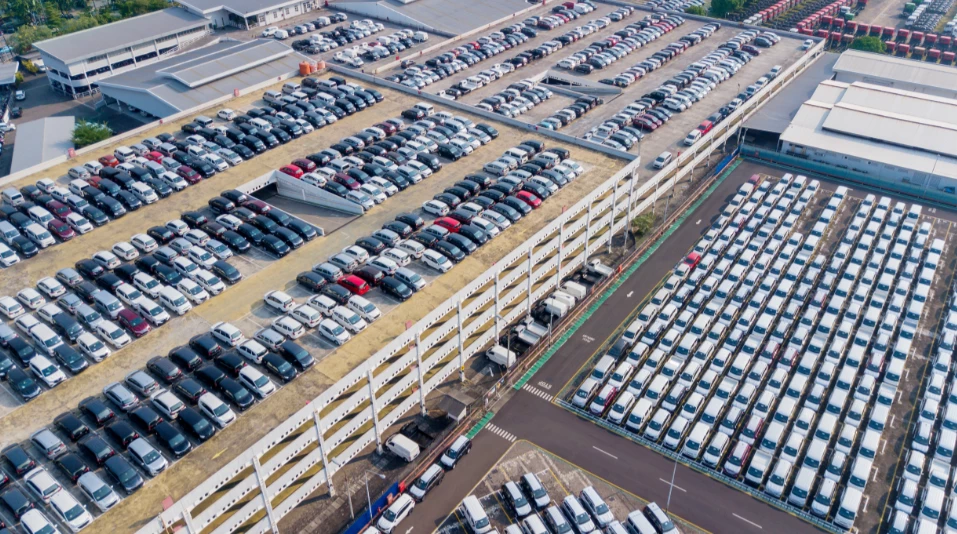
Competitive Landscape: China Surpasses Japan to Take First Place, the U.S. Drops to Sixth
The brand landscape of the Saudi automotive market is undergoing a historic reshuffle.
China has overtaken Japan to become Saudi Arabia's largest source of vehicle imports. Japan now ranks second, followed by India, Thailand, and South Korea, while the United States has fallen to sixth place with a significantly declining market share.
Chinese brands' market share is rising rapidly. Although Japanese and Korean brands have dominated for decades, Chinese automotive market share is growing at 10%–15% annually and is expected to exceed 120,000 unit sales in 2026.
Data from the first half of 2025 shows total Saudi vehicle sales of 412,920 units, with Toyota leading at 118,022 units (approximately 28% market share); Hyundai and Kia combined for 96,160 units (23%); and Chinese brands collectively accounted for 47,728 units, reaching an 11.6%–12% market share. Changan and MG have already broken into Saudi Arabia's top‑10 sales rankings, while Jetour achieved a remarkable 75.5% year‑on‑year growth in February 2025 alone.
Consumer perception is undergoing a fundamental shift. A few years ago, Chinese cars were seen as the "budget choice" for a niche group of buyers; today, they are "major market contenders." Saudi consumers particularly appreciate Chinese vehicles for their exterior design, technology features, and new energy capabilities.
Policy Drivers: Local Manufacturing Wave Under "Vision 2030"
Saudi Arabia is transforming from a car‑consuming nation into a car‑manufacturing nation.
Under Vision 2030, Saudi Arabia aims to build 3–4 major automakers by 2030, achieving an annual production capacity of 400,000 vehicles with 40% local content, and positioning itself as the Middle East's automotive manufacturing and export hub. In the new energy sector, the "Double‑30" strategy sets targets of 30% for new energy vehicle (NEV) share and 30% for annual EV production by 2030. Additionally, the government plans to electrify 30% of all vehicles in the capital, Riyadh, by 2030.
The core vehicle – King Salman Automotive Park. Located within the King Abdullah Economic City (KAEC) special zone, the park has already attracted multiple international automakers: Ceer (Saudi's first home‑grown EV brand, in partnership with Foxconn); Lucid Motors, which opened its first international factory in 2023; Hyundai Motor, which plans to start production at its first Middle East manufacturing base (50,000 units/year) in Q4 2026; and Stellantis, among others.
Supply chain supporting facilities are also accelerating. In 2026, MASARAT Mobility Park partnered with TASARU Supplier Hub to bring in global Tier‑1 suppliers to serve Ceer, Lucid, and other OEMs. FPI Gulf will also build a component manufacturing base within the park. The project is expected to contribute approximately $25 billion to Saudi GDP by 2035.
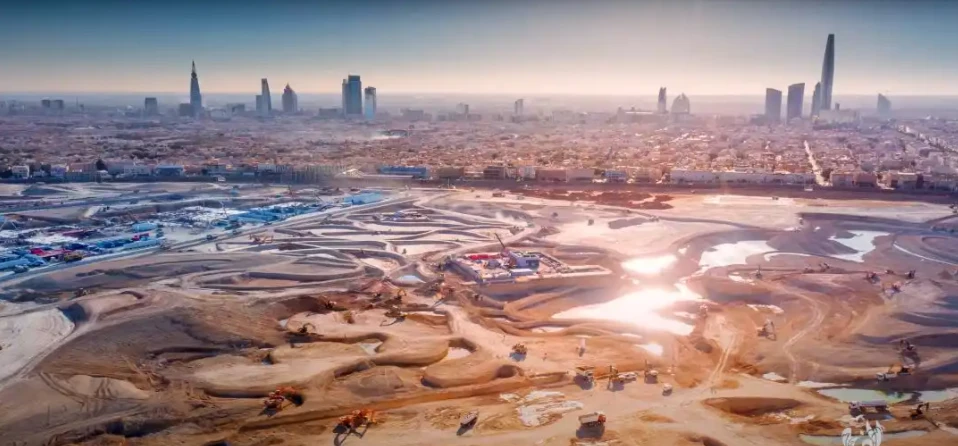
01 Rapid Growth of the EV Market
Although EV penetration in Saudi Arabia is still low (approximately 2.34% in 2024), growth has been explosive – from just thousands of units in 2022 to 24,300 units in 2024, a year‑on‑year increase of 46.92%.
02 Active Presence of Chinese Brands
BYD entered the Saudi market in 2023 and has already opened 3 showrooms, with plans to add 7 more stores by the second half of 2026. GAC's two NEV brands, AION and HYPTEC, have officially launched in Saudi Arabia, introducing three all‑new models. Geely, Changan, MG, and other brands are also actively expanding their new energy presence.
03 Policy Incentives
Saudi Arabia offers purchase subsidies of up to 15% for new energy vehicles, along with preferential land and electricity tariffs. The growth trajectory of Chinese NEVs is highly aligned with Saudi Arabia's sustainable development goals under Vision 2030.
Exhibition Opportunities: Three Practical Levers
As the organiser of the Saudi Jeddah exhibition, the above market trends provide us with clear strategic directions.
01 The NEV Explosion Window: Exhibition Platform Value on the Rise
Saudi Arabia's EV market is on the cusp of a boom – with 46.92% annual growth and subsidies of up to 15%, this is the prime window for exhibition demand. Chinese brands (BYD, GAC, Geely, etc.) are accelerating their NEV expansion in Saudi Arabia; they urgently need a platform to directly engage Middle Eastern buyers and establish local partnerships – and we are the provider of that platform.
02 Strong Exhibition Participation Demand from Chinese Companies
China has surpassed Japan to become Saudi Arabia's largest import source, with market share growing 10%–15% annually. Chinese automotive supply chain companies have a strong need to exhibit – they need exhibitions as a springboard into the Middle East market. Chinese exhibitors are our core client base; we can focus on attracting Chinese brands, create a "China Pavilion" or "China Zone," and build a differentiated competitive advantage.
03 Exhibition Demand from the Local Manufacturing Supply Chain
Saudi Arabia is shifting from "car consumer" to "car manufacturer." The development of the King Salman Automotive Park and the localisation plans of international OEMs mean that the equipment, tooling, production lines, and component supply chains required for vehicle manufacturing will generate significant B2B demand. From batteries, electric motors, and electronic controls to charging infrastructure and energy storage systems; from complete vehicle manufacturing equipment to after‑sales service tools – every link in Saudi's localisation journey is a segment our exhibition can serve. We will position the exhibition as a bridge connecting China's supply chain with Saudi manufacturing needs.
Saudi Arabia's automotive market is undergoing three structural transformations: "import‑dependent → local manufacturing," "fuel‑dominated → electric transition," and "Japan/Korea/US dominance → China's rise."
For us, this is not only an expansion of market opportunities but also a strategic window to upgrade our exhibition IP value, client structure, and service model. We stand at the convergence of two major trends – new energy and China's global expansion – making us the optimal platform connecting China's automotive supply chain with the Saudi market.
Let Chinese automobiles shine in the Middle East – it all starts with our exhibition.
In the client circles of the building materials industry, a pervasive anxiety often lingers: the nagging feeling that the "window of opportunity" is always in someone else's hands, and that by the time you react, the chance has already slipped away. This anxiety is magnified exponentially when it comes to the overhyped "mega-projects."
If we look only at the media buzz over the past two years, the narrative around Saudi Arabia's building materials opportunity seems to ebb and flow: in 2024, the market was enthralled by various hundred-billion-dollar new city concepts; by mid‑2025, rumours of project adjustments began to circulate; and in 2026, new landmarks are fully resuming construction while the capital's infrastructure is visibly accelerating. The tides of public opinion come and go, but beneath the surface‑level information fluctuations, a fundamental truth remains obscured—
The Saudi opportunity for Chinese building materials companies has always been real, and it is steadily expanding.
Saudi Infrastructure is Shifting from "Chasing Megaprojects" to "Steady, Essential Demand"
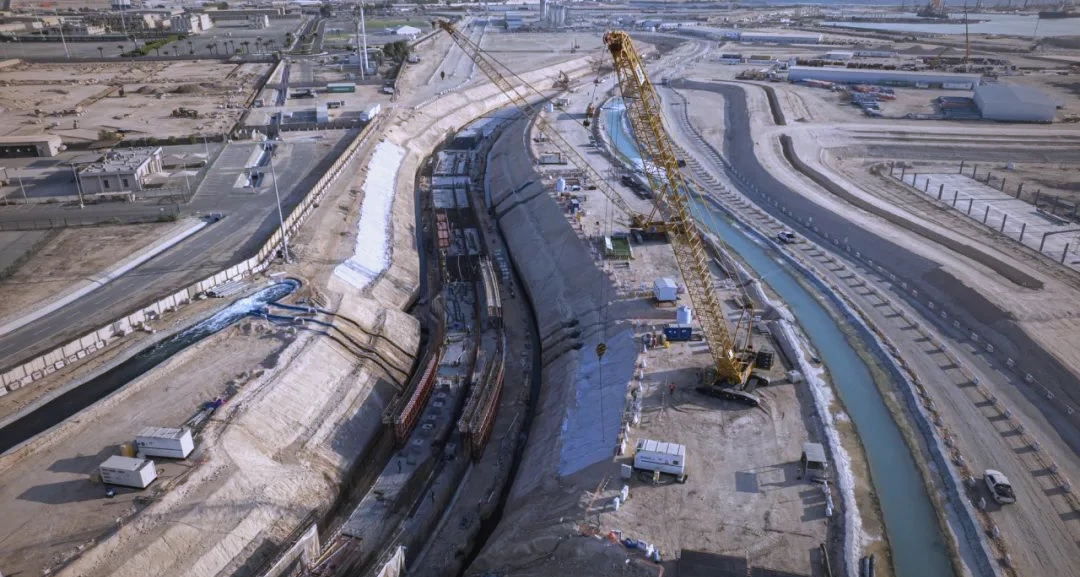
01 Diriyah
- Planned:A $62.2 billion cultural heritage city, featuring 40+ luxury hotels and a 50,000 m² underground museum.
- 2026 Reality:Already operational with ongoing investment; multiple high‑end hotels have recently signed agreements.
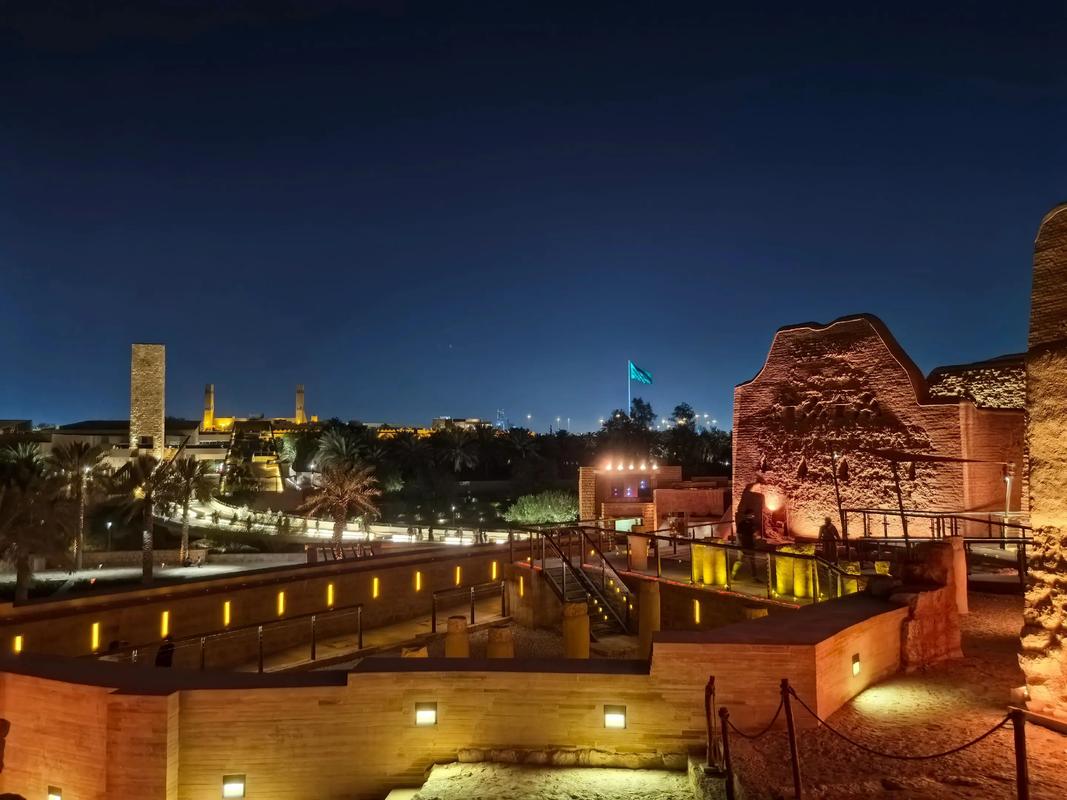
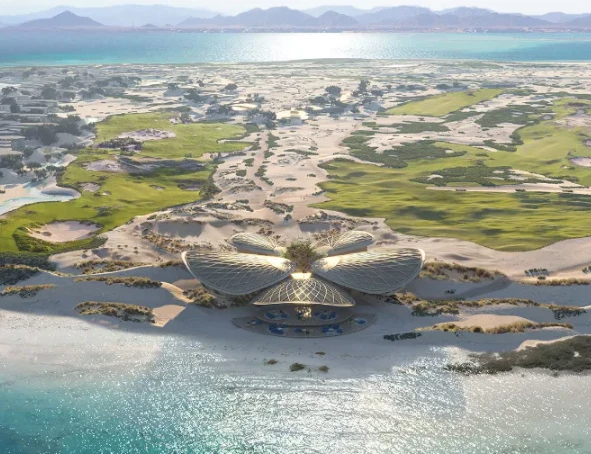
02 Red Sea Tourism Destination
- Planned:A luxury tourism destination with hotel clusters and eco‑protection facilities.
- 2026 Reality:Annual construction investment exceeds $8 billion, with projects accelerating.
Saudi sovereign development strategy is undergoing a systematic transformation—from "chasing blockbuster projects" to "strengthening the fundamentals," from single iconic mega‑landmarks to a diversified, pragmatic, phased construction approach. In other words, construction has not stopped; rather, the focus has strategically shifted.
Trillions in Infrastructure Remain—Opportunities are Diversified and Sustained
In 2026, the scale of the Saudi contracting market has reached $2.1 trillion**, with new project investments of **$149.5 billion—of which 42% are directly linked to "Vision 2030" strategic objectives (e.g., NEOM, ESKAN housing), and 38% support international event infrastructure (2034 World Cup, 2030 Expo, etc.).
Four structural, rigid demand drivers collectively fuel sustained Chinese building materials exports:
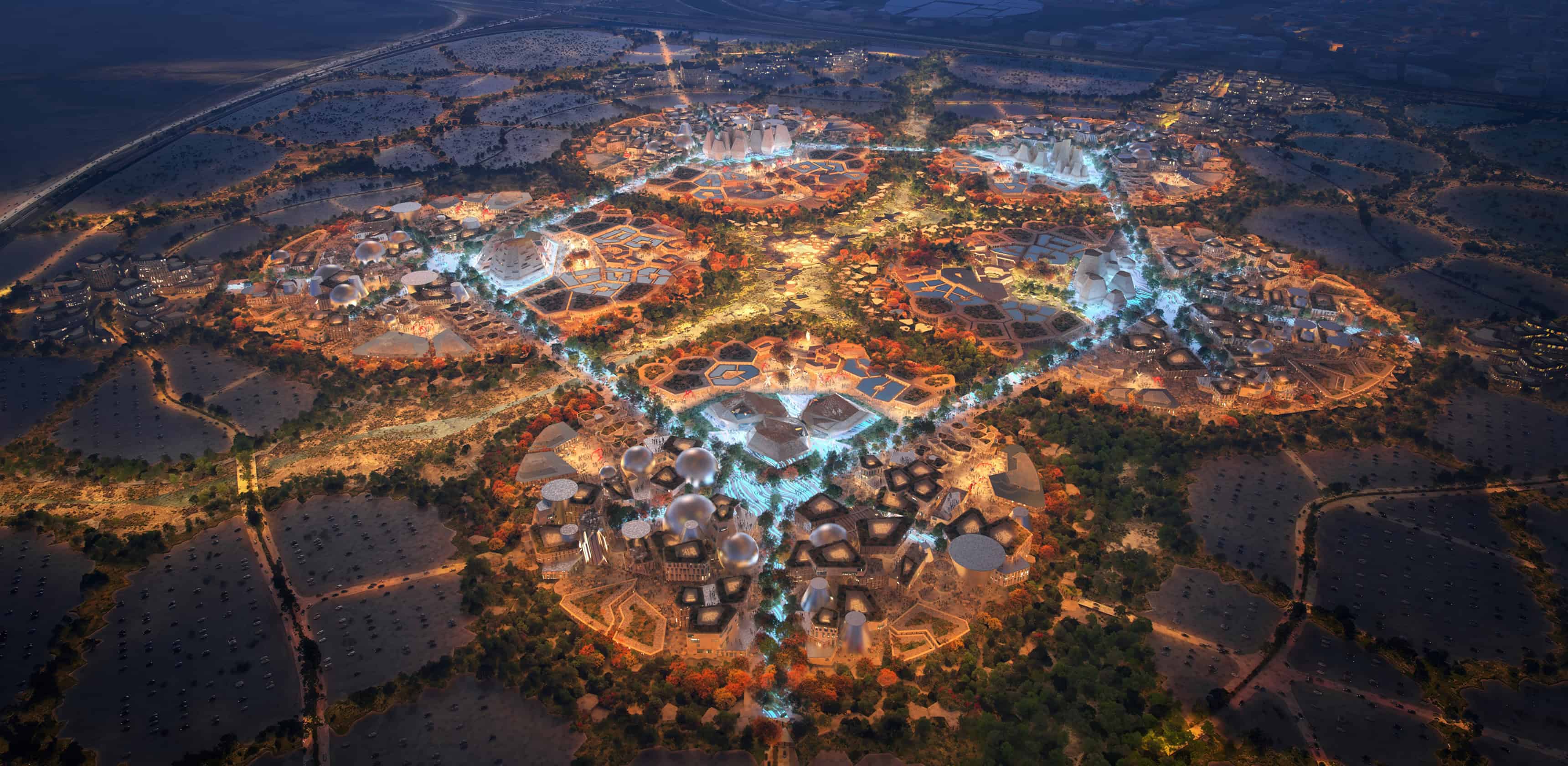
First, Expo 2030
Total investment exceeds $50 billion, covering over 600 hectares. Once completed, the site is expected to attract 40 million visitors. This massive event demands substantial building materials for the renovation and new construction of hotels, pavilions, exhibition halls, and other structures.
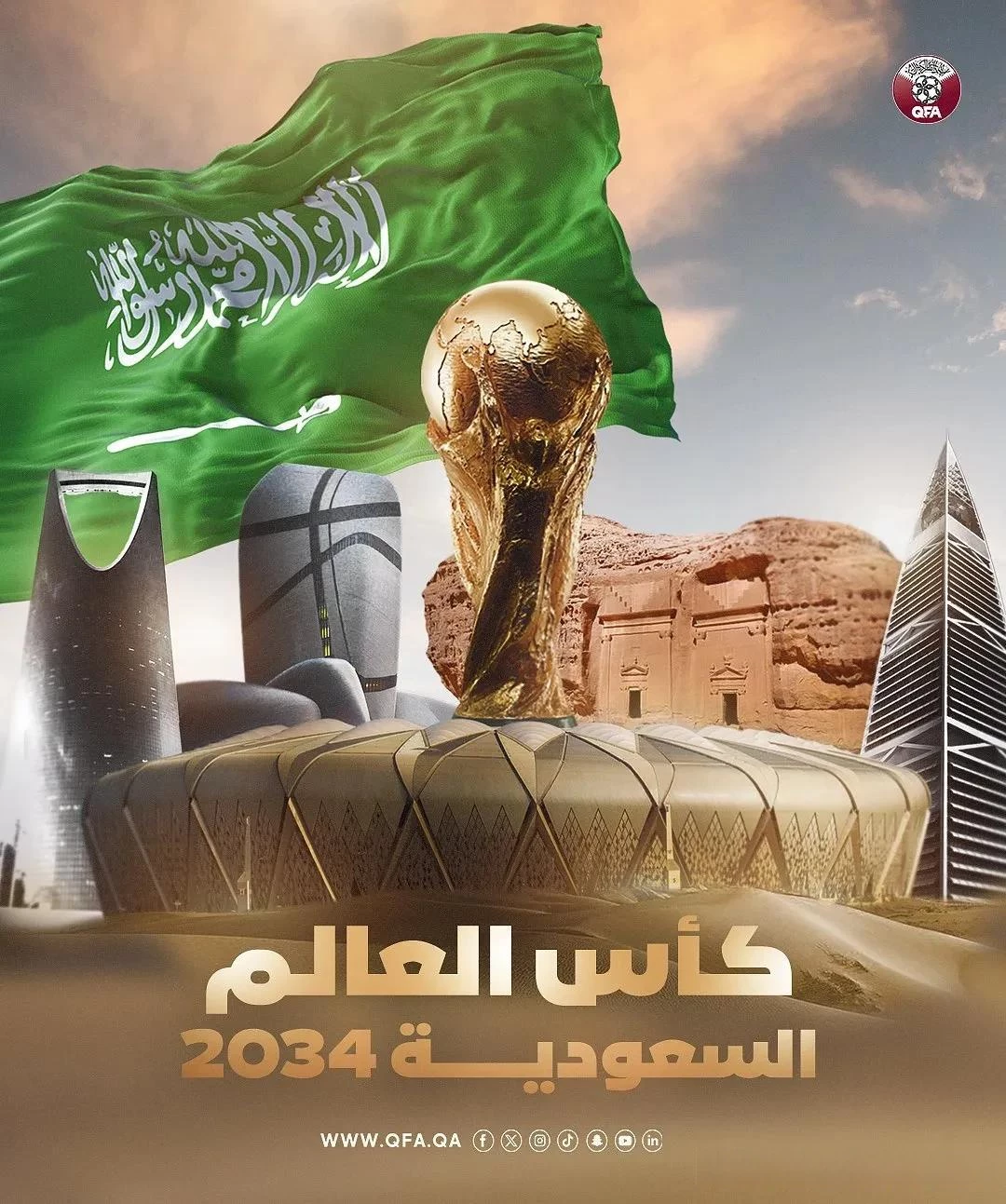
Second, the 2034 World Cup
Transport hub upgrades in host cities such as Riyadh and Jeddah alone exceed $30 billion, covering metro extensions, road widening, and more. Large stadium projects require everything from structural materials to interior finishes; specialised products—pitch turf, lighting, HVAC systems—also drive import demand for sports facility materials.
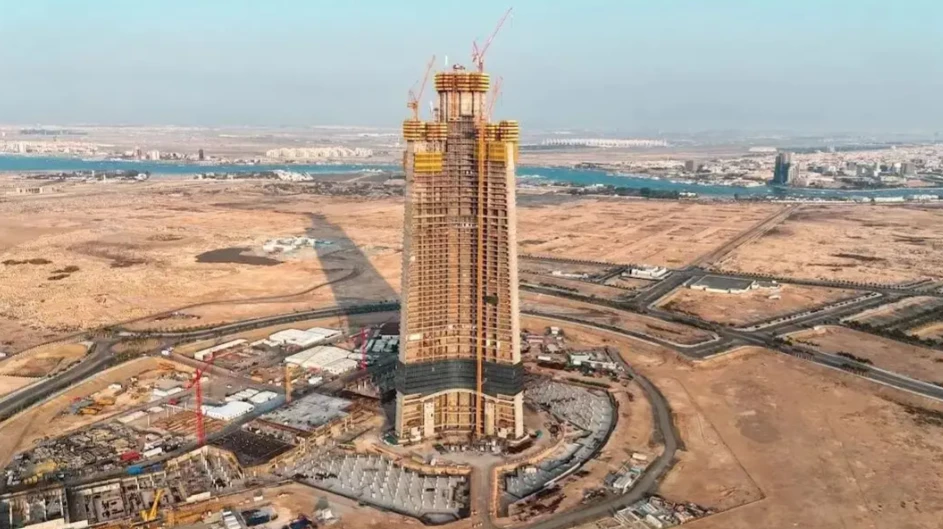
Third, the Full Resumption of Jeddah Tower
This world's tallest building (designed to exceed 1,000 metres), which had been stalled for years, is now in full‑speed construction. As of March 2026, the tower has reached the 91st floor, surpassing 370 metres in height. Curtain wall installation and MEP works are in full swing, with over 5,200 on‑site workers progressing at a rate of one floor every five days on average. Steel structures, curtain walls, elevators, fireproof materials, smart control systems—all require a wide range of suppliers.
Fourth, Accelerated Urban Infrastructure in Riyadh
King Abdullah Gardens have completed all main structural works, covering 2 million square metres. The Abu Bakr Al‑Siddiq Tunnel, running through Salman King Park, is 2,430 metres long and is now in its final testing phase. Riyadh's urban renewal and municipal development exemplify Saudi Arabia's "shift from flashy to solid"—water, power, roads, landscaping, and public facilities require long‑term, stable material supply, not just one‑off project‑driven demand.
In 2025, the Saudi building materials market was valued at $88.5 billion**, with import dependency at approximately **70%**. The construction market is projected to reach **$112.35 billion in 2026 and exceed $148.7 billion by 2031, with a CAGR of roughly 5.77%. In the first three quarters of 2026, steel imports grew by 24.5% year‑on‑year, cement exports are expected to surge 325%, and high‑value‑added categories such as smart locks and energy‑efficient glass have seen growth rates exceeding 50%. The overall market is not shrinking—it is expanding in the right direction.
"Saudi‑China Housing Cooperation" to Drive Surge in Building Materials Exports
01 A Wider Door Than You Might Imagine
However, expanding opportunities do not mean everyone automatically gets a ticket. In recent years, quite a few building materials companies have stumbled in the Middle East—some due to insufficient understanding of the SABER mandatory certification system, leading to goods being held at customs; others because they chased large orders without adequate on‑the‑ground resources; or because they lacked local distribution teams for long‑term cultivation. The entry barrier to the Saudi market is the combination of certification, local presence investment, and product adaptability—all three are indispensable.
Yet, precisely because of these challenges, 2026 marks an unprecedentedly dense period for Saudi‑China cooperation.
From June 13 to 16, 2026, Saudi Minister of Municipal and Rural Affairs and Housing, Majed Al Hogail, led a delegation to China and launched the first "Saudi‑China Contractor Forum" in Shenzhen. During the forum, six memoranda of understanding were signed, covering investment cooperation, construction technology, knowledge exchange, public‑private partnerships, sustainable construction, and supply chains. Saudi Arabia plans to cooperate with Chinese partners to build over 100,000 housing units by 2030.
This means that over the next four years, Chinese building materials companies will have a materials demand channel backed by intergovernmental agreements. This is not just about brand‑building opportunities from "landmark projects" like hotels and museums—large‑scale residential construction is the true "deep ocean" for Chinese materials exports.
02 The Evolution Path of Chinese Building Materials Manufacturers in the Middle East
If market opportunity is the "external factor," the deeper question is: Are Chinese building materials companies ready for a comprehensive upgrade in technology, quality, and aesthetics?
In fact, local companies are already responding with action—moving from simple exports to deep localisation.
This year, several Guangdong‑based building materials companies have reached strategic cooperation with Saudi counterparts. The Guangdong Financial City Chamber of Commerce organised companies such as Eagle Ceramics and Jinyi Ceramics Group to sign strategic cooperation agreements with Saudi Mubadala Investment Company. Jinyi Ceramics Group, known for its high‑end "textured ceramic tiles," has proprietary products that perfectly meet the Middle East's rigid demand for premium building materials.
Earlier, the Guangdong Panyu International Chamber of Commerce organised building materials companies to participate in the Jeddah Build Expo, where the Economic and Commercial Counsellor of the Chinese Consulate General in Jeddah, Mr. Lu Ye, personally visited their booths. One of the companies successfully established a local agent.
On the more technologically advanced front, Sinoma International recently signed an EPC contract worth $298 million for a cement production line, demonstrating Chinese companies' comprehensive advantages in technology and engineering services. PowerChina, CHEC, and other central SOEs are deeply involved in Saudi railway and port projects. Additionally, a Chinese company has applied new materials combining bamboo and ceramic granules in the Red Sea resort area, achieving 63% lower lifecycle carbon emissions while maintaining wind resistance and heat tolerance—moving from simply "selling tiles" to participating in overseas engineering design and material technology export. Chinese building materials companies are undergoing a full‑scale upgrade.
For manufacturers across the building materials supply chain, this means we are fully capable—with reliable quality, precise cost control, and increasingly mature local services—to secure sustained orders in a high‑import‑demand, high‑volume market like Saudi Arabia.
A Direct Link Between Chinese Factories and Saudi Projects
Talk of opportunities without offering a path forward is meaningless. The real entry pass to the Saudi market is direct access to project decision‑makers.
The Saudi Jeddah International Building & Decoration Exhibition also forms a key window for Chinese building materials companies to comprehensively access the Saudi market. But September is unique—it sits at the convergence of three critical timelines: the peak of façade procurement, the hotel FF&E purchasing window, and the Expo 2030 construction sprint phase. Unlike purely conceptual venues that require long waits, this exhibition targets projects that are already under construction, already procuring, and already paying. In September, Jeddah is the shortest distance connecting Chinese factories with Saudi mega‑projects.
The trillion‑dollar "Vision 2030" market remains intact. NEOM's phased adjustments and the "shift from flashy to solid" paradigm are not a crisis for Chinese building materials companies—rather, they signal a more friendly, pragmatic, and stable long‑term benefit. Saudi Arabia plans to deliver over 1 million housing units and more than 362,000 hotel rooms by the end of 2030. This is not hype—it is real, long‑cycle, end‑user demand that requires enormous material supply.
The market is always open to prepared enterprises. The real question is no longer "Is there still an opportunity in Saudi Arabia?"—opportunity has always been there. The question is: How quickly and in what way will your company secure its entry ticket to the Saudi market?
September 15–17, Jeddah — Saudi Jeddah International Building & Decoration Exhibition.
We have laid out the latest launching pad for Chinese building materials companies to access the $2.1 trillion super‑market. Where the opportunity is, that is where we will be—waiting for you.
June in Saudi Arabia is hotter than you imagine, and more active than expected. JIBEX is about to take place, and major exhibitions such as Saudi Food, Saudi Plastics & Petrochem, and Saudi Print & Pack have fully resumed offline operations. Throughout June, a total of more than 300 Chinese companies will travel to Saudi Arabia to exhibit, network, and secure orders – market enthusiasm is far beyond expectations.
Despite external volatility, the impact on Saudi’s local business activity has been extremely limited. Right now, Saudi Arabia is in a golden phase of concentrated demand release and sustained procurement growth – the situation is stable, and the business environment is favorable.
History is the best reference. After the pandemic in 2023, the first wave of Chinese companies that resumed exhibitions in Saudi Arabia secured lower booth costs, higher buyer attention, and better order conversion rates. Today, the same window of opportunity is reopening.
Jeddah – the gateway city for Saudi commerce. Building & decoration – a red‑hot sector under Saudi Vision 2030.
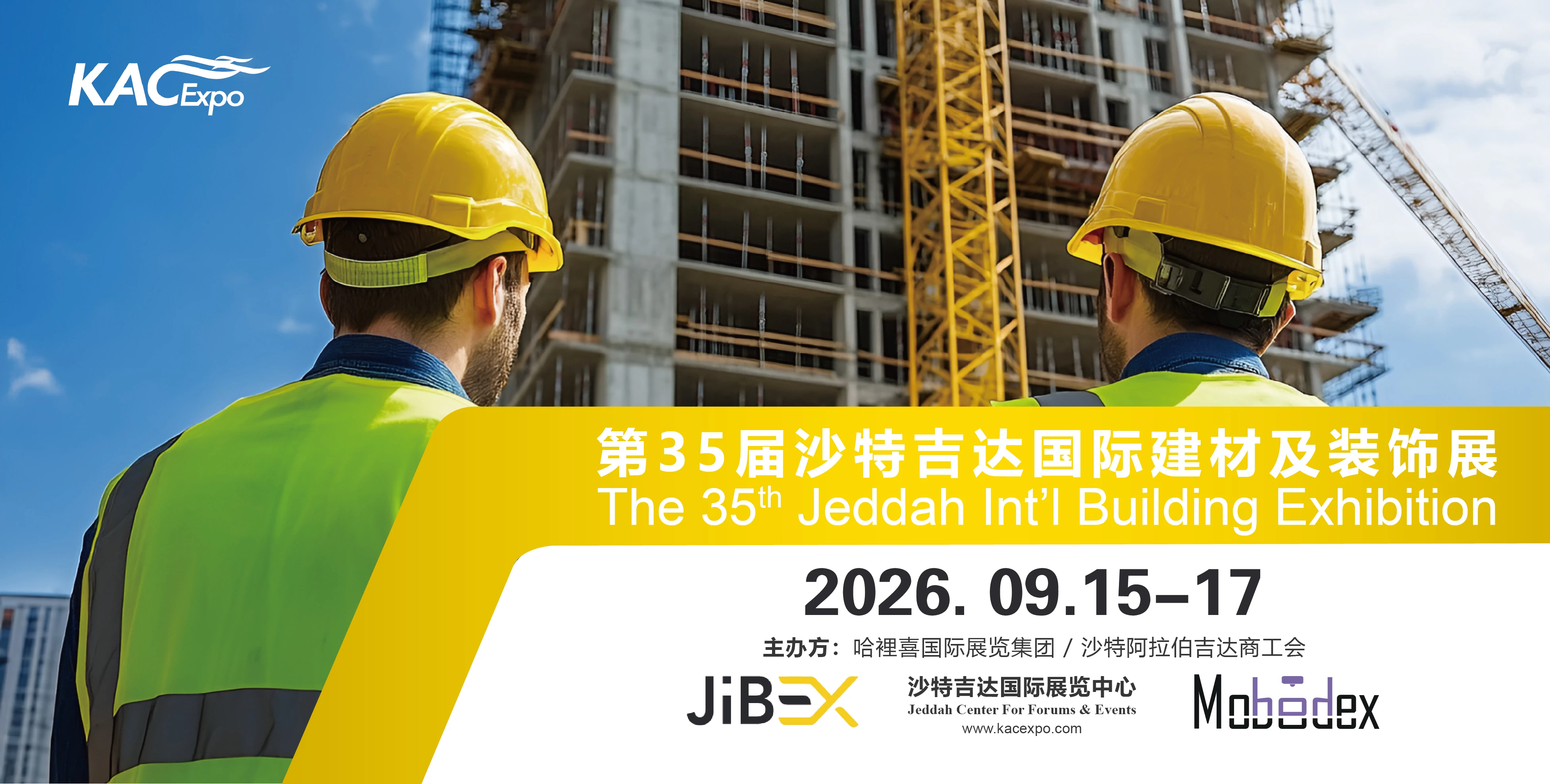
From September 15–17, the 35th Jeddah International Building Exhibition will open. Booth registration is in full swing, and spaces are rapidly running out.
We sincerely invite Chinese enterprises interested in exploring the Saudi market to:
- Seize the current moment and plan early
- Capture the first‑mover dividend in the building & decoration sector
- Move in sync with Saudi Arabia’s market recovery and reach a huge number of targeted buyers first
Time waits for no one, opportunities are rare.
Act now and lock in your Saudi orders!
The World Cup is not just a football tournament; it is an ultra‑long‑term national construction purchase order. Football fans watch the goals, but business minds read the materials list.
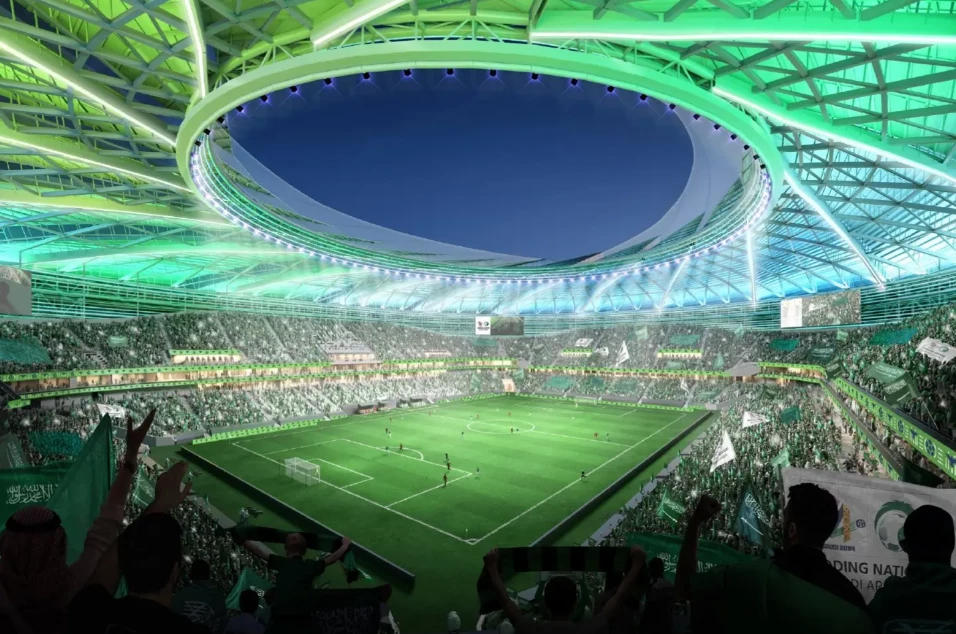
On April 16, 2026, the Saudi Ministry of Sport issued a pre-qualification invitation for the King Salman International Stadium. Set to host the opening ceremony and final match of the 2034 FIFA World Cup, the 92,000-seat venue will be the largest stadium in Saudi Arabia's history and one of the most iconic architectural landmarks in the Middle East over the next decade.
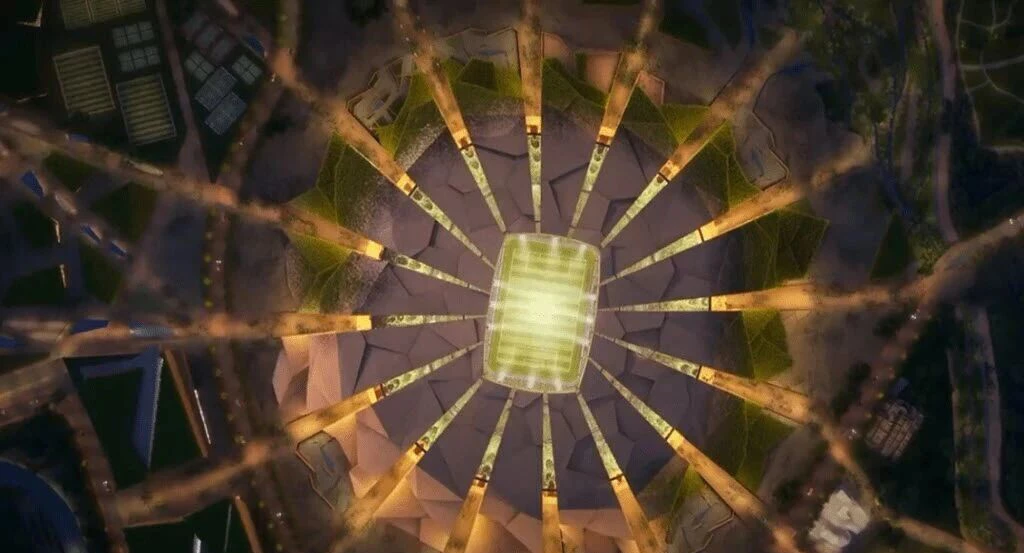
But this is just the starting point. The 15 stadiums for the 2034 World Cup will be distributed across five host cities – Riyadh, Jeddah, Al Khobar, Abha, and NEOM – supported by 132 training sites, 73 player accommodation centers, airport expansions, and extensive transport and hotel infrastructure. Preliminary industry estimates place total World Cup‑related construction at over USD 20 billion, with some projections reaching as high as USD 30 billion. This is not a sporting event – it is a multi‑billion‑dollar construction program that is already taking effect.
Who Is Reading This Contract? Who Is Acting?
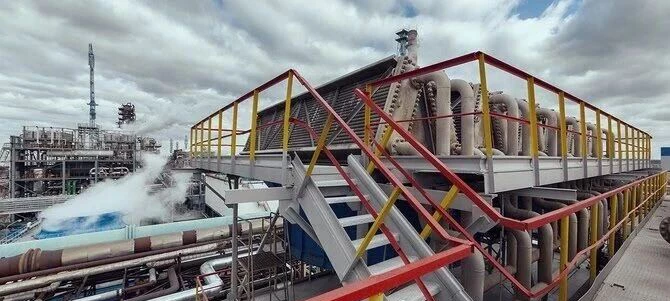
Steel structures are the heaviest category in this order. The total steel consumption for the 15 stadiums exceeds 1 million tonnes – the Jeddah Central Development Stadium alone has a gross floor area of 360,000 m², equivalent to 50 standard football pitches. Chinese companies have already secured key contracts:
- Jinggong Steel Structuresigned a RMB 550 million contract in 2025 for the Jeddah Stadium and surrounding sports village. The total construction area is about 500,000 m², with the main load‑bearing structure using a “well‑shaped” frame composed of four giant monolithic trusses, achieving a maximum span of 218.4 meters. Previously, Jinggong also participated in the Lusail Stadium (Qatar World Cup 2022) and the Aramco Stadium in Saudi Arabia.
- MCC Steel Structurewon a contract for the Prince Mohammed bin Salman Stadium in Qiddiya (packages 1‑10), with a total construction area of about 260,000 m² and a capacity of 45,000 seats.
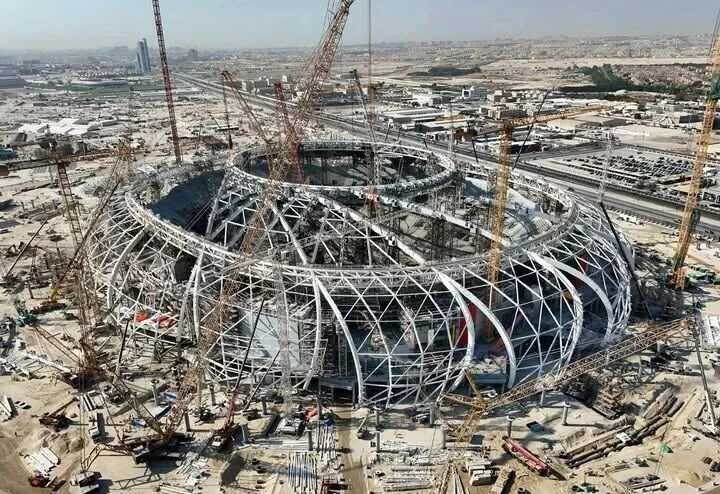
Air conditioning and cooling equipment are equally critical. Summer temperatures in Saudi Arabia exceed 45°C, with surface temperatures reaching 60°C, but FIFA requires the pitch temperature to be kept at 22‑24°C. That is a cooling challenge of 22 degrees. For the 2022 Qatar World Cup, the cooling system capacity for a single stadium reached 183.5 MW. For Saudi’s 15 stadiums, industry insiders estimate total cooling demand at over 2,600 MW. Chinese manufacturers such as Gree, Midea, Haier, and Hisense have the technical capability to supply large‑scale centrifugal chillers and district cooling systems.
Membrane structures, LED screens, stadium seats, power generators – each category represents millions or even hundreds of millions of dollars in procurement opportunities.
Entering Now – Not Too Late, but the Window Is Closing
The preferred entry path is to establish cooperation with local Saudi building materials trading agents, as dealing directly with Saudi project owners is far more difficult than expected. Meanwhile, construction trade shows in Saudi Arabia are the most effective way to build face‑to‑face relationships.
Saudi Arabia currently has a total construction project pipeline of US$1.3 trillion. The 2034 World Cup is just one part of that – but it is the most certain and the most time‑sensitive part.
In July 2034, when the final kicks off under the gaze of 92,000 spectators at the King Salman International Stadium, more than 5 billion viewers worldwide will watch the live broadcast. Every steel beam, every chiller, every seat will carry more than just the weight of a building.
This is a construction certificate broadcast globally, embedded silently in every bolt of those structures. The Chinese men’s national football team may still be preparing for the next tournament – but Chinese materials and equipment have already entered the field a decade early.
September 2026 – Jeddah Int’l Building Exhibition
Your window is here.
Jeddah, the "Red Sea economic gateway" on Saudi Arabia's western coast, sits at the maritime crossroads of Asia, Africa, and Europe and is the largest hub port in the Red Sea. Located just 89 km from the holy city of Makkah, it handles millions of annual pilgrims transiting via the Haramain High-Speed Railway. As Saudi Arabia's second‑largest city, with a population exceeding five million (one‑third expatriates), Jeddah is the Kingdom's most open and dynamic commercial center. In 2025, Jeddah's GDP reached approximately USD 254.5 billion, with a per capita income of USD 52,400 – an economic scale larger than that of many mid‑sized countries.
Jeddah's strategic value is rooted in two geographic variables:
Alternative geography – The Jeddah Islamic Port handles about 75% of Saudi Arabia's maritime trade. Growing risks around the Strait of Hormuz are pushing the Kingdom to shift trade flows toward the Red Sea coast, positioning Jeddah as a geoeconomic "buffer valve."
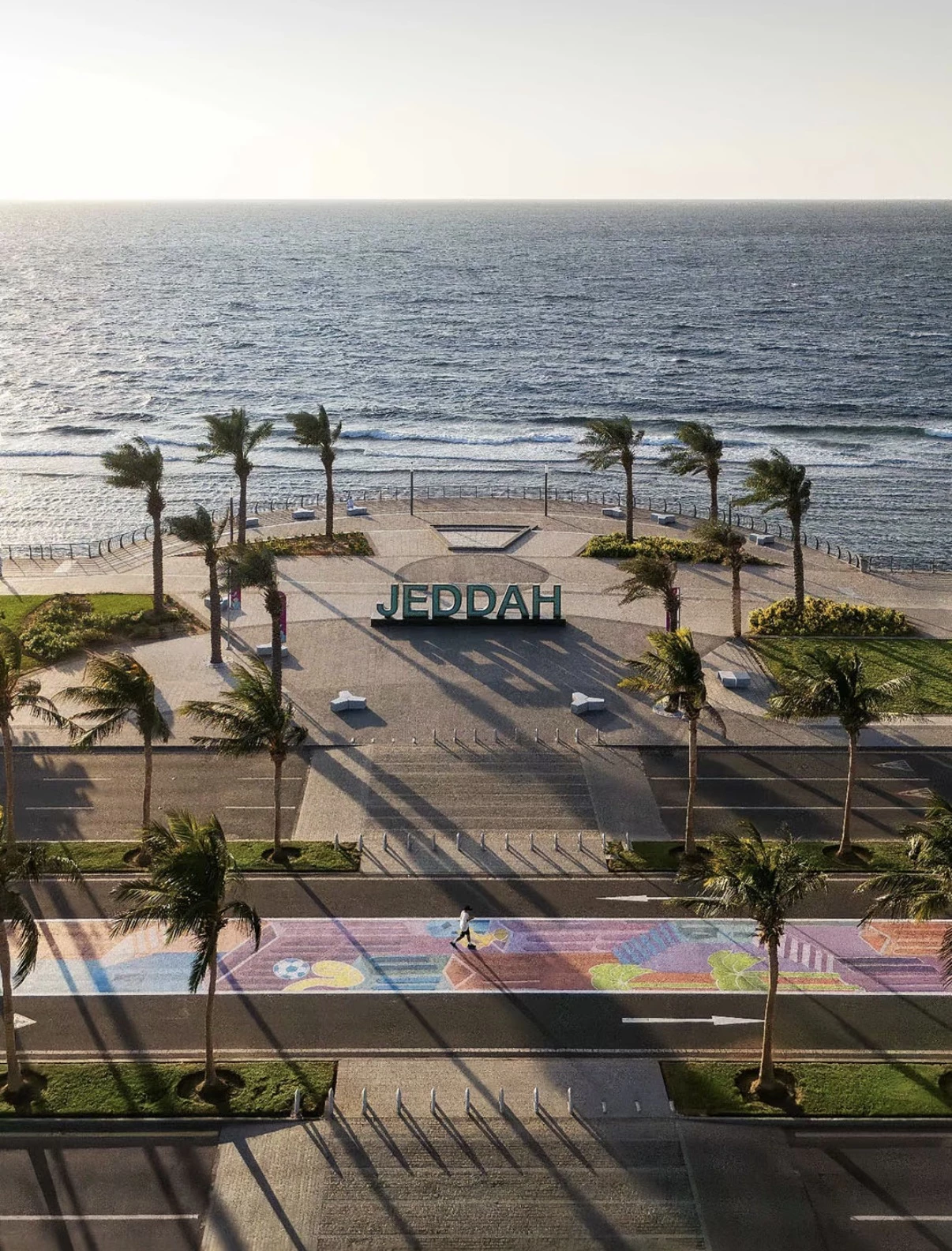
Connectivity geography – With direct flights to multiple coastal cities in China and an integrated land‑sea transport network connecting to Saudi domestic and Gulf hinterlands, Jeddah is a true logistics hub.
I. Three Engines of Infrastructure Development: Port, Airport, and Urban Construction in Unison
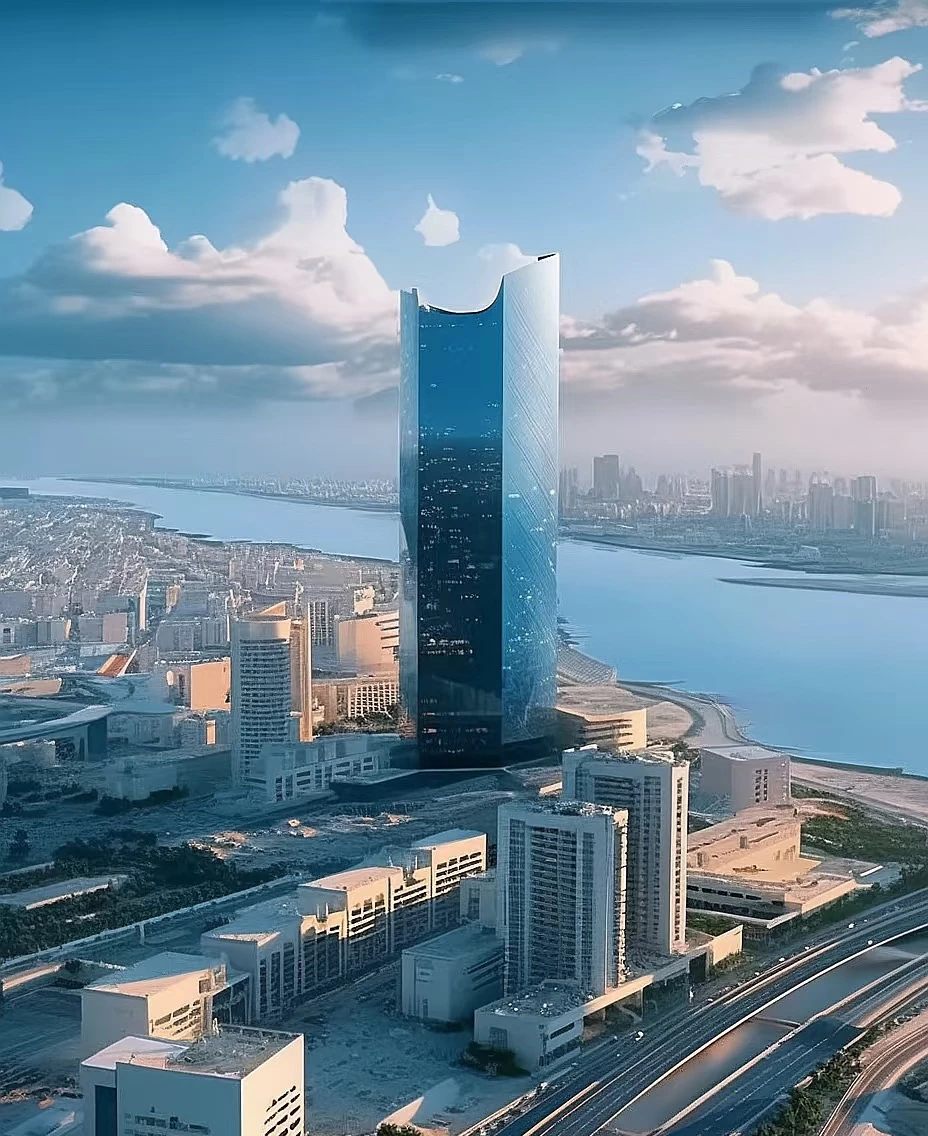
Port: $800 million to double throughput capacity. DP World has completed the expansion of the South Container Terminal, raising annual handling capacity from 1.8 million TEUs to 4 million TEUs, with room to reach 5 million TEUs. New ship‑to‑shore cranes were supplied by ZPMC. In 2025, DP World's Jeddah port handled over 1.3 million TEUs. Maersk and Hapag‑Lloyd have launched several new direct shipping routes from China.
Airport: On track for 30 million passengers. The new terminal at King Abdulaziz International Airport has mobilized 26,000 workers. Phase 1 capacity is 30 million passengers per year, with long‑term capacity of 114 million – serving both Hajj/Umrah traffic and the strategic goal of 150 million tourists.
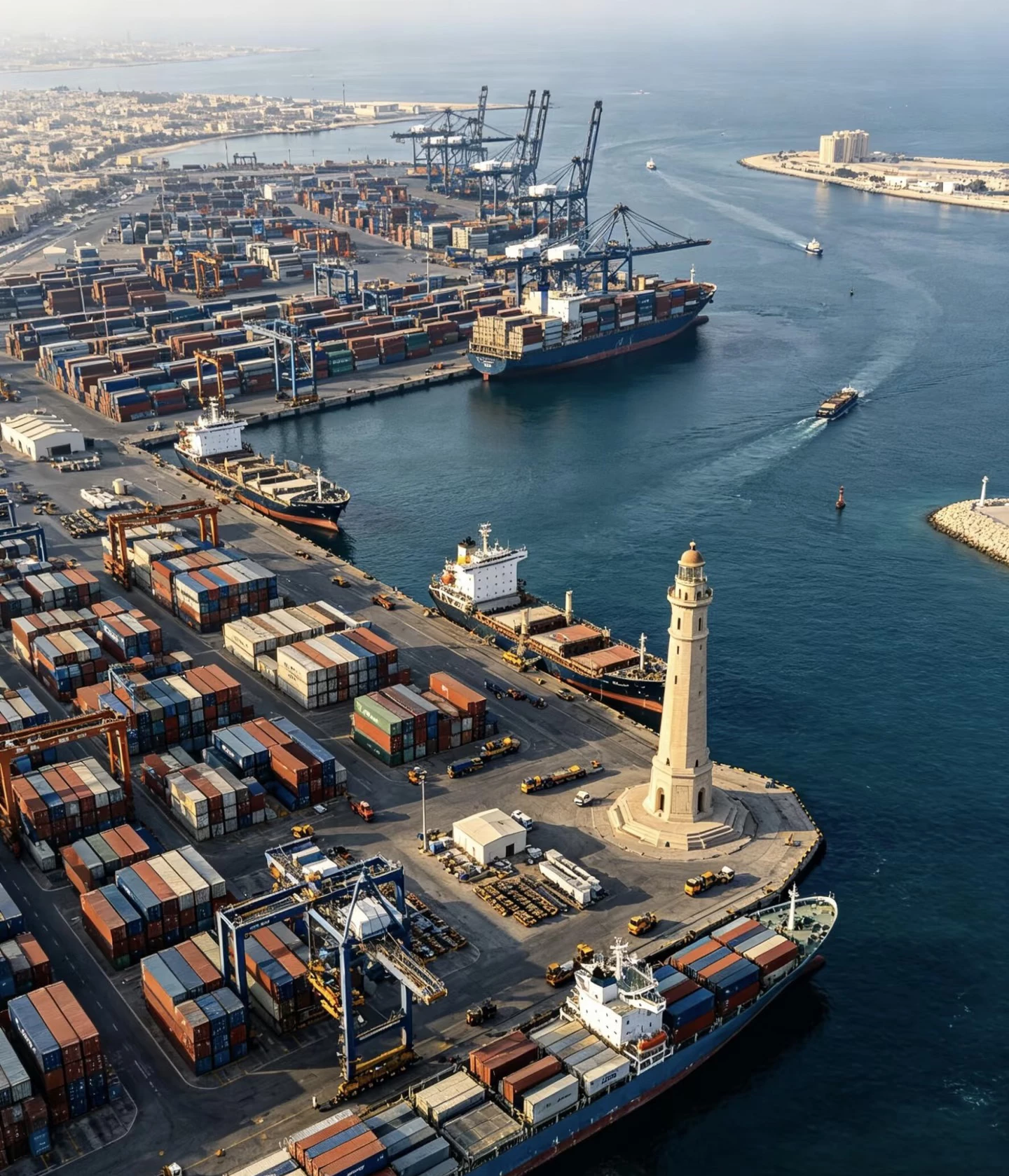
Urban development: Four multi‑billion‑dollar mega‑projects overlapping.
China Harbour Engineering Company (CHEC) is building a 5.7 million m² waterfront new district.
Jinggong Steel Structure is constructing the 1,008‑meter Jeddah Tower (now past the 100th floor).
Jinggong Steel Structure and China Railway Construction Corporation (CRCC) are jointly building the 46,000‑seat JCDC World Cup stadium.
The Jeddah Downtown project exceeds USD 20 billion in investment.
Together, these publicly announced projects form a nearly USD 100 billion infrastructure matrix, generating exponentially growing demand for steel structures, construction materials, heavy machinery, and smart equipment.
II. Chinese Companies Advancing: From Subcontractors to Core Contractors
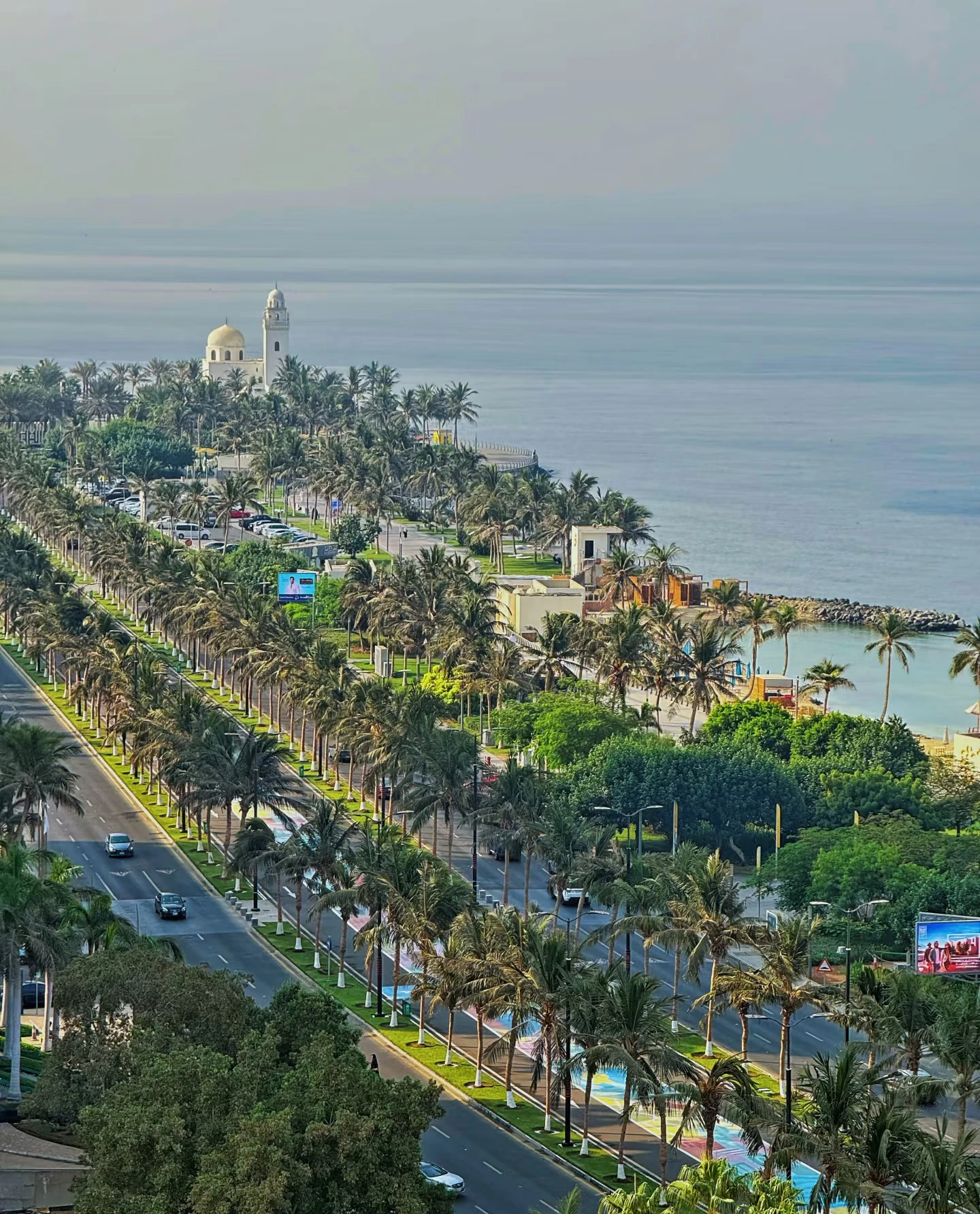
Jinggong Steel Structure is a representative example. It secured the main steel structure contract for floors 120 and above of Jeddah Tower and signed a RMB 550 million contract for the JCDC Stadium. In 2025, its new overseas contracts reached RMB 7.2 billion, up 140% year‑on‑year. Sany Heavy Industry's ultra‑high‑pressure concrete pumps and other equipment are deployed at the Jeddah Tower site. CHEC is fully applying BIM and VR/AR smart construction systems. DP World's logistics park intelligent systems heavily rely on Chinese technology. Chinese companies have moved from fragmented bidding to systematic integration, covering the entire infrastructure chain in Jeddah.
III. Three‑Tier Opportunities for Global Expansion
Tier 1: Mega‑project support.
Continuous demand exists for steel structure components, bolts, curtain wall fittings, welding consumables, electrical systems, HVAC, and fire‑fighting equipment. The "rail express + ocean express" service from Yiwu to Jeddah is already operational – 18 days direct, with shipping costs reduced by over 15%, opening the shortest route for SMEs.
Tier 2: Port and logistics equipment.
With 4 million TEU throughput capacity, 415,000 m² of warehousing space, more frequent services by five major shipping lines, and a USD 2.5 billion logistics park plan – the market needs automated container yards, cold‑chain storage, smart sorting systems, and new‑energy transport vehicles. Chinese equipment has clear advantages in cost‑effectiveness and technical adaptability.
Tier 3: After‑sales service and consumables for existing equipment.
The installed base of construction machinery and port equipment is growing rapidly. In May 2026, CRCC openly tendered international express shipping for after‑sales spare parts in the Jeddah region – a clear sign that the aftermarket is emerging as a "second growth curve."
IV. Our Jeddah Presence: Self‑Owned Venue Shortens the Route to Market
We own a self‑built exhibition venue in Jeddah, offering one‑stop services from booth planning, exhibit shipping, local compliance, to business matchmaking. It is the shortest physical pathway for Chinese companies to enter Saudi Arabia's western market.
While the world fixates on NEOM, the real wave of orders is surging toward Jeddah. Names like Jinggong Steel Structure, China Harbour Engineering, and Sany Heavy Industry are already etched into the fabric of this city. More SMEs will follow – with every steel member installed, every smart device commissioned – embedding themselves in this billion‑dollar infrastructure wave. The story of Jeddah is, at its core, a microcosm of Saudi Arabia's economic transformation under Vision 2030. The opportunity for Chinese enterprises goes far beyond winning contracts – it is about becoming part of a global reshaping of industrial geography.
In 2026, Saudi Vision 2030 is undergoing a profound "reordering."
NEOM's The Line has been drastically scaled back, the Trojena dam contract cancelled, the Moonlight desalination plant called off…
But one project has not only avoided cuts – it is accelerating delivery.
That project is Red Sea Global (RSG) – 22 islands, 50 resorts, 8,000 hotel keys, covering 28,000 km² of coastline, with a total investment of approximately US$35 billion.
More importantly: it has already generated real hotel revenue, over 100 construction contracts are being executed, and around another 100 are in tender.
This is not a "vision."
This is one of the most certain delivery opportunities in the Saudi construction market in 2026.
01 The World's Most Demanding Green Building Test – A "Hidden Certification" for Chinese Building Material Companies
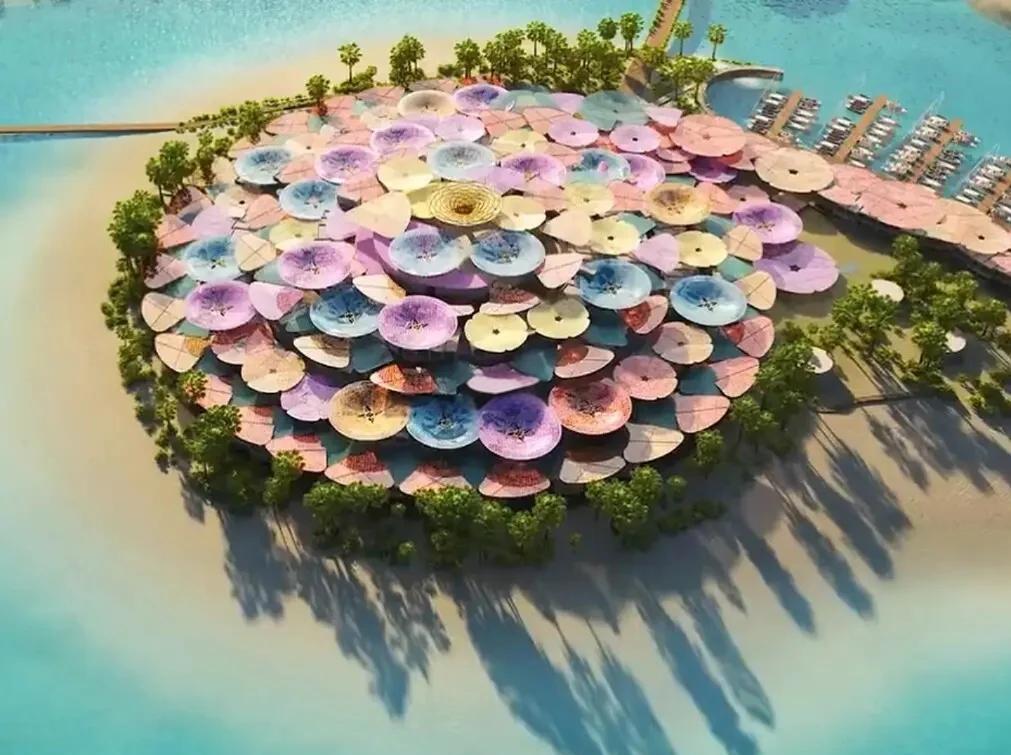
RSG's construction standards may be the strictest on the planet:
- 100% renewable energy driven:All building materials require carbon footprint accounting (EPD documentation)
- Zero single‑use plastics:Packaging and auxiliary materials must be fully biodegradable
- Zero coral reef damage:Every pile foundation must pass marine ecological assessment
- Mandatory LEED Platinum/Gold certification:Materials must meet LEED credit requirements
These are not "bonus points" – they are entry tickets.
For Chinese green building material companies, this is both the highest‑level testing ground and an invisible passport to the global ecological luxury construction supply chain.
If you pass RSG's screening, you automatically gain a gateway to LEED Platinum projects worldwide and top luxury hotel groups.
02 A US$35 Billion Breakdown of Material Demands – Which Categories Are Chinese Companies Most Competitive In?
✅ Photovoltaic and new energy infrastructure
760,000 PV panels already installed – huge demand for energy storage enclosures, submarine cable accessories (J‑tubes, protective sleeves). Chinese steel/aluminium brackets and optical cable companies have clear advantages.
✅ Pre‑fabricated stainless steel overwater villas
RSG has installed 38 overwater villas made of 316L / 2205 duplex stainless steel on Shura Island. Chinese stainless steel pipe manufacturers (e.g., in Tongxiang, Wuxi, CITIC Special Steel) offer prices 40–60% lower than Europe, with fully mature technology.
✅ Desert eco‑hotel building materials
Ultra‑thin sintered stone (3–6mm) – withstands temperatures above 70°C, lightweight. Companies like Monalisa, Jianyi, OCEANO have mature product lines, but penetration in RSG projects is almost zero.
✅ Marine infrastructure
Pre‑stressed concrete piles, steel pipe piles, anti‑corrosion coatings for marine environments, HDPE marine pipes (PE100 RC)… China is the world's largest HDPE pipe manufacturer, and companies like Hempel and SKShu (3Trees) already have supply records in the Middle East.
✅ Green interior systems
Low‑VOC / zero‑VOC coatings, FSC‑certified wood and furniture – many domestic companies (3Trees, Carpoly, Fuwni Furnishings, etc.) already have the basics, only lacking "international certification case studies."
03 Beyond the Red Sea: First Steel Lift at the "Megalith" Venue in Diriyah – China Railway Construction Bags Another Major Saudi Aviation Contract
The vitality of Saudi Arabia's construction market is not limited to the Red Sea coast.
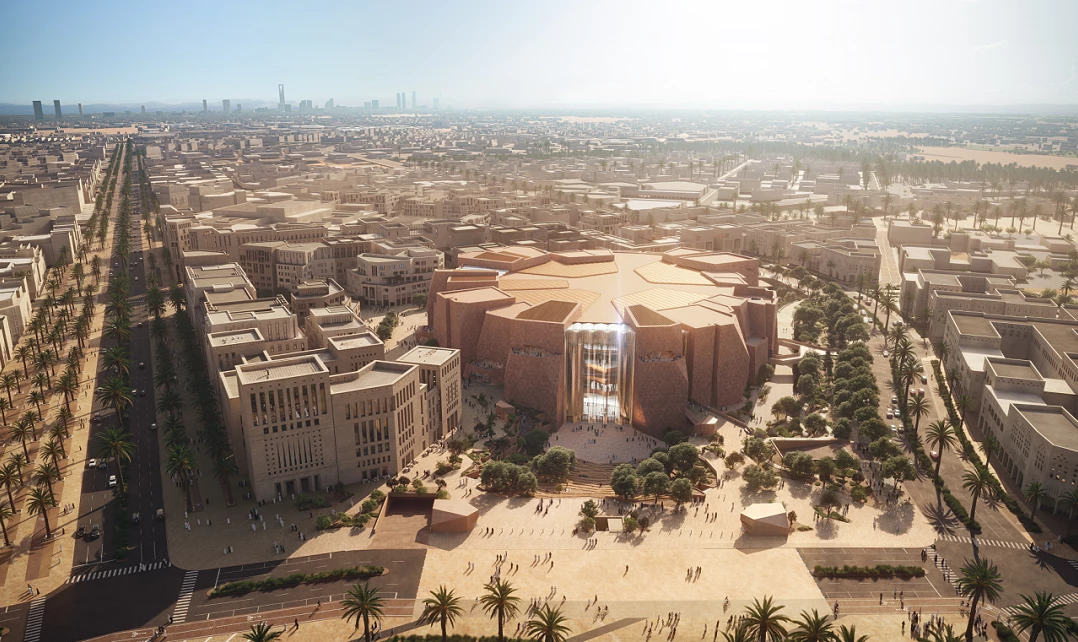
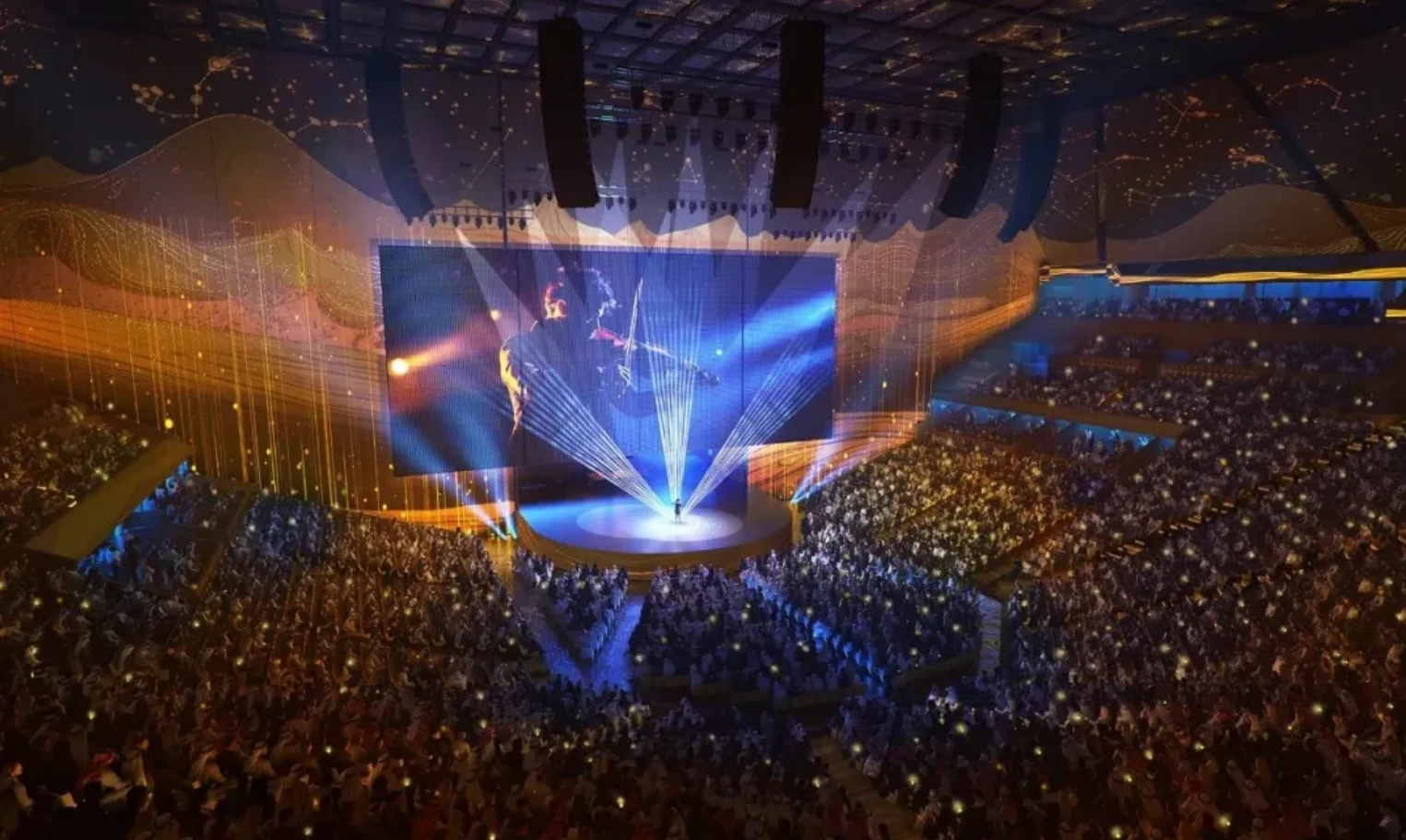
On 18 May local time, in the historic Diriyah district of Riyadh, the multi‑purpose venue, for which China Construction Steel Structure is responsible for the detailed steel design, fabrication, and installation, completed its first lift.
This "megalith" venue uses 7,100 tonnes of steel, with the largest truss spanning nearly 119 metres and weighing 300 tonnes. It can accommodate 20,000 people.
It pays homage to millennium‑old mud‑brick architecture while incorporating efficient energy systems, natural ventilation, and daylighting – a model of cultural and sustainable integration under Saudi Vision 2030.
On 20 May local time, Dai Hegen, Chairman of China Railway Construction Corporation (CRCC), met with the CEO of Saudi Airlines Group in Jeddah.
Phase I of the Jeddah Airport maintenance hangar, built in cooperation, is already in operation. In the future, the two sides will deepen collaboration in photovoltaics, wind power, energy storage, smart grids, and other fields.
Chinese construction + Chinese building materials are moving from "participants" to "main forces" in Saudi Arabia.
04 The First Exhibition of the Second Half – Direct Access to Saudi Buyers
In 2026, Saudi Arabia remains one of the construction markets with massive ongoing investment and real payment flows.
And Chinese building material companies are fully capable of filling the gaps in high‑end segments such as green, low‑carbon, and marine engineering – the only missing pieces are information channels and precise matchmaking.
That is precisely the purpose of the first exhibition of the second half, which we are organising.
The exhibition we are proud to present is the Jeddah International Building Exhibition.
You no longer need to send messages or wait for emails from behind a screen.
Come face to face – submit your credentials, showcase your products, and get onto buyer lists.
"The world's most demanding green building projects are being constructed on the islands of the Red Sea.
For Chinese building material companies that pass this test, it is not just an order –
it is a passport to proving themselves in the world's top construction markets.
The highest standards are often the best calling card."
Don't let "nobody has done in‑depth research" become your regret.
The first exhibition of the second half – your Saudi orders are waiting.
From 16 to 19 June 2026, Baku, the capital of Azerbaijan, will host the 51st Annual Meeting of the Islamic Development Bank (IsDB) Group. Under the theme “Regional Integration for Sustainable Prosperity”, more than 2,000 delegates, including finance ministers and central bank governors from 57 member countries, will gather on the shores of the Caspian Sea to discuss regional economic integration and sustainable development. For Azerbaijan, a country transitioning from an oil and gas exporter to a green energy hub, this event is not only a diplomatic highlight but also an important window to showcase its transformation achievements.
This article, from Baku’s perspective, outlines the roadmap and practical path of Azerbaijan’s green energy transition.
1. From “Black Gold” to “Green Energy”: A Strategic Turn for an Oil and Gas Power
For a long time, Azerbaijan’s name has been closely linked to Caspian oil and gas. Thanks to its abundant Caspian hydrocarbon resources, Azerbaijan’s total installed power generation capacity has reached 10 GW, nearly three times the level of 20 years ago. At the same time, Azerbaijan’s natural gas exports to Europe have increased by 56% since 2021, totalling 25.2 billion cubic metres in 2025, with more than half supplied to EU countries.
Yet Azerbaijan has not stopped there. In January 2026, President Ilham Aliyev explicitly stated the goal of integrating 6,000 MW of wind, solar, and hydropower into the grid by 2030, expanding to 8,000 MW by 2032. Javid Abdullayev, Director of the Renewable Energy Agency under Azerbaijan’s Ministry of Energy, explained the “gradual transition” strategy: “ensure current security with oil and gas, and seek long‑term diversification with renewable energy.”
2. Green Power “Star Map”: Solar and Wind Projects Fully Underway
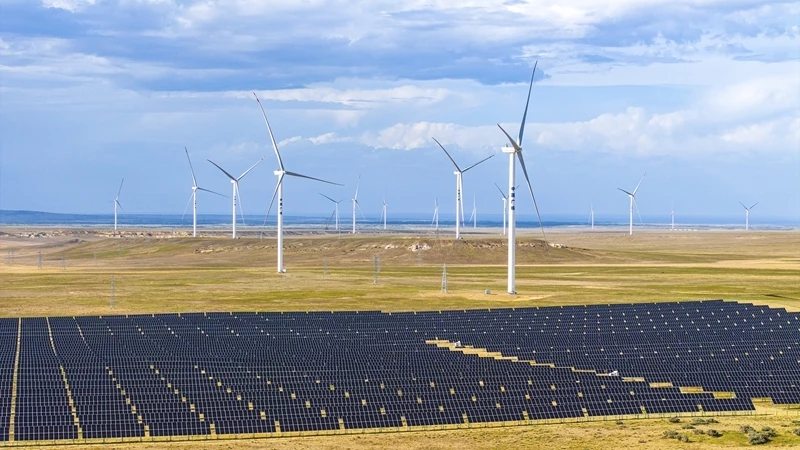
Largest wind power project in the Caucasus put into operation. On 8 January 2026, the “Khizi‑Absheron” wind power project, invested by Saudi Arabia’s ACWA Power and built by PowerChina Huadong Engineering Corporation, was commissioned in Baku. The project has a total installed capacity of 240 MW, generates 1 billion kWh annually, can meet the electricity needs of more than 300,000 households, and reduces CO₂ emissions by 400,000 tonnes per year. Chinese companies adopted an innovative “sea and land parallel” approach, creating more than 200 local jobs. The ACWA Power project manager said, “We view China as an important strategic partner in the global energy transition process.”
Multiple projects by UAE’s Masdar. Masdar previously built the 230 MW Garadagh solar plant. Currently, the 445 MW Bilasuvar and 315 MW Neftchala solar power stations are under accelerated construction, expected to be commissioned by the end of 2026 or early 2027. The two stations together represent an investment of approximately US$670 million, generate about 1.7 billion kWh annually, and save 380 million cubic metres of natural gas per year. In addition, the 240 MW Absheron‑Garadagh onshore wind farm is expected to be commissioned by the end of 2027.
More international cooperation projects in the pipeline. UK‑based bp is building the 240 MW Shafag solar power station in the Jabrayil region, scheduled to be connected to the grid by July 2026. The Nagorno‑Karabakh region has an estimated renewable potential of 10,000 MW, with 307 MW of hydropower already connected and plans to double that capacity. According to a report by Azerbaijan’s Ministry of Finance, the country plans to invest US$2.7 billion in the next two years to build 10 solar and wind power plants.
3. Caspian Green Energy Corridor: From Resource Nation to Energy Hub
On 9 April 2026, Kazakhstan ratified a strategic partnership agreement with Azerbaijan and Uzbekistan on green energy production and transmission. The agreement envisions transmitting Central Asian green electricity to Azerbaijan via a high‑voltage direct current (HVDC) submarine cable across the Caspian Sea, and then further exporting it to Europe via the Black Sea route.
Azerbaijan’s Energy Minister Parviz Shahbazov stated that this corridor will enhance energy and environmental security for the countries along the route, as well as improve digital and transport connectivity. The Asian Development Bank and the Asian Infrastructure Investment Bank have expressed support for feasibility studies. President Aliyev revealed that the theoretical potential of offshore wind in Azerbaijan’s Caspian sector alone is as high as 157 GW. The Islamic Development Bank also exchanged views on the “Offshore Wind Power Infrastructure Development Project” with the Ministry of Energy in December 2024.
4. Islamic Development Bank: A Financial Catalyst for Green Transition
Azerbaijan’s cooperation with the Islamic Development Bank spans more than three decades. Since joining IsDB in 1992, the Bank has funded 77 projects totalling US$1.3 billion, most of which are in the energy sector. With IsDB assistance, Azerbaijan has built 1,060 MW of generation capacity, of which 230 MW comes from renewable sources.
The upcoming 51st IsDB Annual Meeting, themed “Regional Integration for Sustainable Prosperity”, is seen as an important platform to deepen green cooperation. The IsDB President emphasised that energy transition, economic diversification, and regional cooperation are the core topics of the meeting. IsDB plans to advance new initiatives with Azerbaijan, including the development of a regional energy corridor and the Alat Free Economic Zone. During a visit to Baku in May 2026, the IsDB Group Chairman reiterated the intention to expand cooperation in green finance and other areas through the 2027‑2031 Partnership Strategy. The Islamic Corporation for the Insurance of Investment and Export Credit (ICIEC) will provide investment insurance and de‑risking support for Azerbaijan’s net‑zero pathway.
5. Challenges and Outlook: From an Oil‑and‑Gas Economy to a Green Vision
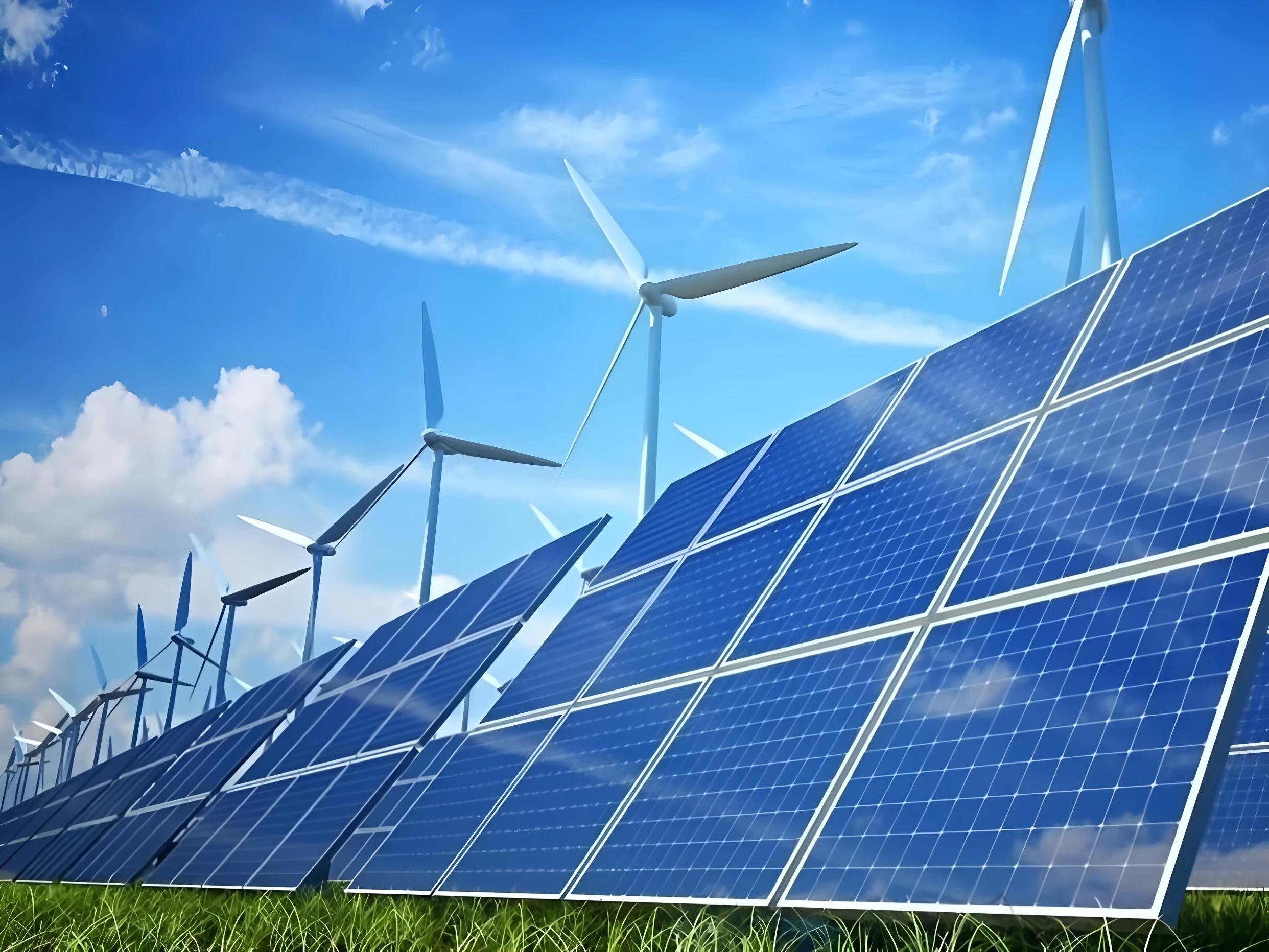
The transition faces two major challenges: first, building a completely new system that can accommodate renewables; second, the existing grid was designed for fossil fuels and must be modernised with energy storage.
To address these challenges, Azerbaijan is taking multiple measures. The World Bank is providing technical assistance for the AZURE project, helping to integrate 1 GW of solar and wind capacity and build battery storage. The first batch of about 250 MW of battery energy storage systems has begun installation. By 2027, the share of renewable energy in Azerbaijan’s installed capacity is expected to reach 33.7%, rising to 38% by 2030 and 42.5% by 2035.
In international cooperation, China is playing an increasingly important role. Azerbaijan has established a strategic partnership with China Energy Engineering Corporation (CEEC) and, together with China Datang Corporation and PowerChina, is advancing large‑scale renewable energy projects. The country plans to launch at least 1,000 MW of projects with Chinese companies in the future. Additionally, Azerbaijan plans to use renewable energy to power data centres and AI development, transforming into a regional digital innovation hub, and to export green electricity and hydrogen to Europe via the green energy corridor.
From Baku’s oil piers to wind turbines on mountain ridges, from the Caspian seabed cable to the upcoming international forum, Azerbaijan is telling the story of a changing era with a clear energy transition roadmap. As President Aliyev said, “Developing renewable energy is the core pillar of the country’s energy strategy and a key measure to modernise the energy system.”
In June, Baku will host the 51st Annual Meeting of the Islamic Development Bank. Azerbaijan, as a practitioner of green transition and a regional energy hub, will present its own answer to the world.
September in Azerbaijan is also worth looking forward to. From 21 to 23 September 2026, the 8th Smart Life Expo Azerbaijan will be held at the Baku Expo Centre. The exhibition aims to provide an excellent platform for global companies to showcase new products, exchange technology, and establish business connections – another window for those who wish to observe Azerbaijan’s market potential and seize regional cooperation opportunities.
From a world-class urban park to the "first tier" of energy projects, China-Saudi cooperation has entered a new phase of "industrial integration."
Over the past week, Saudi Arabia has released several major signals: the world’s largest urban park, King Salman Park, completed the installation of 17 km of retaining walls, using 122,500 tonnes of local stone to form a "stone-built backbone"; engineering companies under Sinopec and CNPC signed long‑term agreements with Saudi Aramco on the same day, securing a place in the first tier of brownfield project contractors; meanwhile, in the first two months of 2026, China-Saudi trade grew by 5.5% year‑on‑year, with Chinese exports to Saudi Arabia rising by nearly 19% against the trend.
As the "Middle East situation" gradually stabilizes, the flow of Chinese goods and capital into Saudi Arabia is accelerating, driving China-Saudi cooperation toward broader and deeper industrial synergy.
01 King Salman Park: 17‑km "Stone‑Built Backbone" Completed
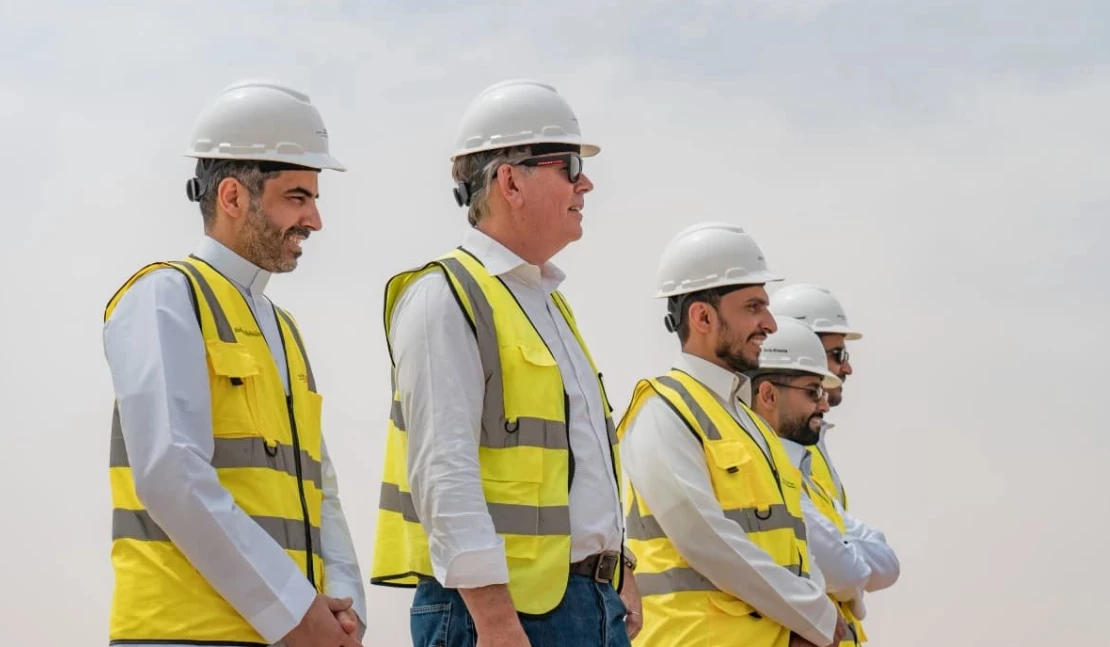
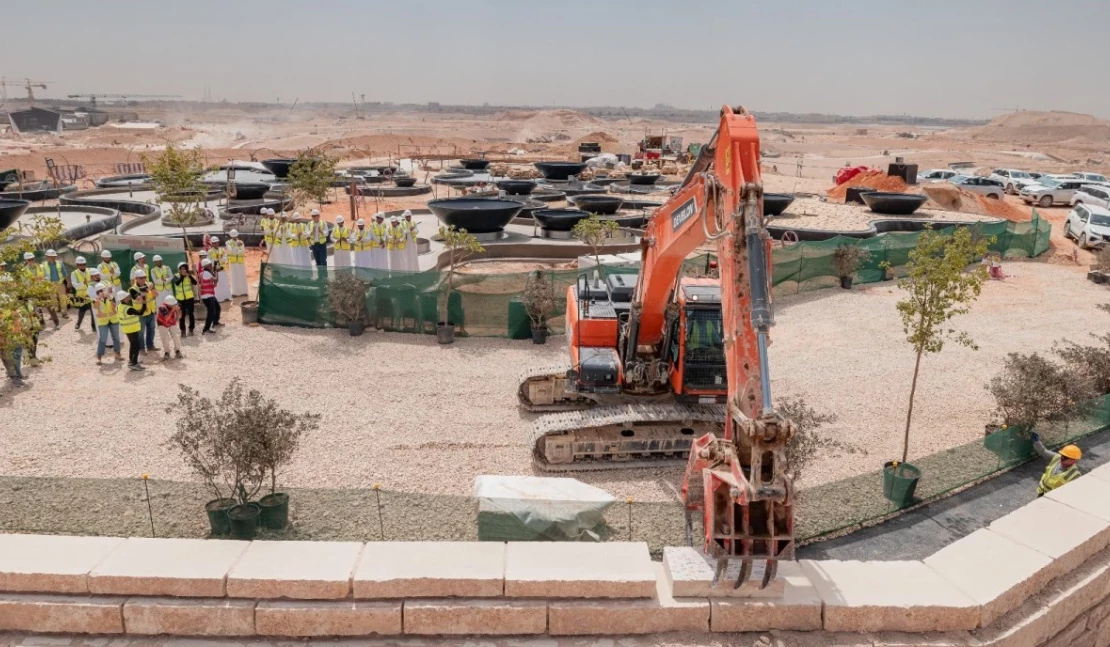
Riyadh’s King Salman Park, one of the world’s largest urban parks under construction, recently announced the completion of all 17 km of retaining wall installation. These walls used 122,500 tonnes of local natural stone, forming the undulating terrain framework of the park.
According to the project statement, the retaining walls not only stabilise the soil but also shape the park’s valleys and terraces – a critical infrastructure element for the entire landscape.
Covering a total area of 17.2 km², the park straddles central Riyadh and connects directly to the city’s major road network, railways, and bus hubs. As one of the flagship projects of Saudi Vision 2030, it aims to propel Riyadh into the ranks of the world’s most liveable cities.
The park integrates ecology, culture, sports, arts, and recreation. Key facilities include the Royal Arts Complex (including the National Theatre), multiple sports venues, open green spaces and leisure areas, and cultural and tourism landmarks.
Launched in 2019 by the Custodian of the Two Holy Mosques (the late King Salman bin Abdulaziz), the project is progressing as planned. Upon completion, it will become Riyadh’s "green lung" and rank among the largest city parks in the world.
The park’s opening will help Riyadh rise in global city rankings, offering residents and visitors a vibrant experience of life, culture, and nature.
02 Chinese Companies Make Further Inroads: JD Industrial, Hailiang, MCC
Chinese companies have continued to expand in the Saudi market this year, from digital supply chains to high‑end manufacturing and steel structure engineering.
JD Industrial: Deepening digital supply chain presence
JD Industrial Middle East recently signed an MOU with CSCEC Saudi Branch, focusing on building materials and industrial supplies for the Saudi construction engineering market. The two parties will collaborate in areas such as building materials, industrial product sourcing, cross‑border logistics coordination, and digital fulfilment management.
In March this year, JD Group also established a strategic partnership with Saudi Electricity Company to automate and upgrade dozens of SEC warehouses. Meanwhile, JD Property signed a strategic MOU with MODON (Saudi Authority for Industrial Cities and Technology Zones), with its first logistics infrastructure project landing in Jeddah – a SAR 100 million investment for a 50,000 m² modern warehousing facility.
Hailiang: US$566 million copper smart manufacturing plant
Hailiang Shares (002203.SZ) signed an agreement with Saudi’s Rawas Company on 13 April to jointly build a high‑end copper product smart manufacturing plant in Saudi Arabia, with a total investment of US$566 million. Hailiang holds a 51% stake, Rawas 49%. The plant will produce 150,000 tonnes/year of copper products, including copper tubes, copper bars, recycled copper refining, and copper foil.
This is a major practice of capacity cooperation deeply aligned with Saudi Vision 2030, marking a shift for Chinese manufacturers from "exporting products" to "localising production."
MCC: Consecutive wins of billion‑level projects
MCC continues to gain traction in Saudi engineering contracting:
- EV supplier park:Won the bid for supporting works at the first Saudi EV brand CEER’s manufacturing plant – adopting US and Saudi standards, with high technical demands.
- Qiddiya Stadium:Won the steel structure contract for the Prince Mohammed bin Salman Stadium (PMBS) in Qiddiya – total floor area approx. 260,000 m², seating 45,000, to host a quarter‑final of the 2034 FIFA World Cup.
MCC’s successive wins demonstrate the ability of Chinese companies to expand from traditional infrastructure to high‑end industrial and sports facilities.
03 China‑Saudi Trade Grows Against the Trend: Exports Up Nearly 19% in First Two Months
China’s Consul General in Jeddah, Mr. Yang Yi, revealed in a recent interview with Saudi media that in the first two months of 2026, the total trade volume between China and Saudi Arabia reached 17.7 billion USD, representing a year-on-year increase of 5.5%. China’s exports to Saudi Arabia stood at 9.8 billion USD, with a year-on-year growth of nearly 19%.
Against the backdrop of easing risks in the Strait of Hormuz and gradual recovery in shipping markets, these figures remain impressive. Over the past few months, the key word for the Middle East market has been "transformation" – yet China’s exports to Saudi Arabia have not slowed but continued to grow.
This reflects a deeper shift in China‑Gulf economic relations. Chinese exports to Saudi Arabia are now concentrated in electromechanical products, machinery, automobiles, steel, and furniture. China is no longer sending only low‑value‑added goods but covering manufacturing, industrial equipment, and infrastructure systems.
Moreover, Chinese investment in Saudi Arabia is rising rapidly. By the end of 2024, China’s direct investment stock in Saudi Arabia reached SAR 31.1 billion (approx. US$8.2 billion), up 164% year‑on‑year. Manufacturing is the largest sector, followed by finance, insurance, construction, mining, technology, trade, infrastructure, and healthcare.
China‑Saudi relations are moving from trade cooperation to industrial synergy.
04 Sinopec and CNPC Sign LTAs with Saudi Aramco on the Same Day, Enter First Tier
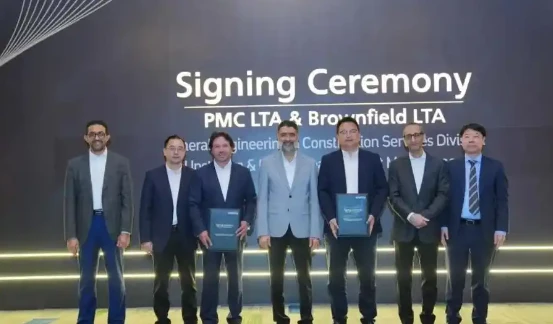
Recently, Sinopec’s Sinopec Nanjing Engineering Company (SNEI) and CNPC’s China Petroleum Engineering & Construction Corporation (CPECC) each signed a Long‑Term Agreement (LTA) with Saudi Aramco.
An LTA is a medium‑to‑long‑term framework cooperation agreement between Saudi Aramco and contractors/suppliers – a key procurement model for ensuring supply chain stability and improving project execution efficiency.
CPECC: Ranked in first‑tier brownfield contractors
With its full‑chain EPC service capability and extensive overseas brownfield project experience, CPECC was selected from over 20 internationally renowned contractors. The LTA contractors were divided into three tiers, with CPECC placed in the first tier, becoming a key member of Saudi Aramco’s brownfield project cooperation camp.
The LTA for brownfield projects covers core onshore oil and gas producing areas including the Northern Oil Region, Southern Oil & Gas Region, and Shaybah Gas Field – contract period of six years.
Sinopec Nanjing Engineering: 16 years, 32 projects build strong reputation
SNEI Middle East signed an LTA with Saudi Aramco for old plant revamp and oil & gas upgrade projects, becoming the first entity within the Sinopec Group to be shortlisted among Saudi Aramco’s brownfield LTA contractors.
This achievement builds on long‑term commitment and accumulated trust. When SNEI first entered Saudi Arabia in 2010, it was only an ordinary construction contractor. Over 16 years, it has executed 32 projects with a total contract value exceeding US$2.5 billion. In 2023, SNEI took over a brownfield project that had been abandoned by a previous contractor due to quality, safety, and schedule issues – and successfully delivered it.
As Chinese petrochemical engineering companies deepen their presence in the Middle East, more Chinese firms are building strong reputations in the high‑end international engineering market.
05 Saudi Mining Boom: Licenses Rise to 2,925 – 220% Growth
Saudi Arabia is positioning mining as the "third national brand" after oil and gas.
At end-2025, Saudi Arabia had 2,925 valid mining licences. Newly licensed projects drew total investment of 44 billion riyals (USD 11.7 billion), and mineral exports totalled 56 billion riyals (USD 14.92 billion). New mining permits jumped from 19 in 2024 to 61 in 2025, a 220% year-on-year increase.
Mining has been designated as the third pillar of the national economy, after oil & gas and petrochemicals. Previously, discussions about Saudi resources focused almost exclusively on oil and gas; now, gold, copper, zinc, phosphate, rare earths, and industrial minerals are coming into the global spotlight.
Saudi Arabia’s western Arabian Shield belongs to the Precambrian geological formation, which is rich in polymetallic belts of gold, copper, zinc, lead, and silver. The value of the country’s undeveloped mineral resources is estimated at about US$2.5 trillion. While that figure is not directly equivalent to recoverable reserves or future revenue, it is enough to reshape perceptions – Saudi Arabia is not only an oil & gas nation but also an aspiring critical minerals player.
The Big Picture: Stability Fuels Broader and Deeper China‑Saudi Cooperation
From the "stone‑built backbone" of King Salman Park, to billion‑level projects by JD, Hailiang, and MCC; from Sinopec and CNPC becoming core Aramco contractors, to the explosive growth in mining licences –
Saudi Vision 2030 is moving from blueprint to reality, and Chinese enterprises have become the most critical external force in this transformation.
As the overall situation in the Middle East stabilises and the external environment for trade and cooperation continues to improve, China‑Saudi industrial synergy, capital coupling, and technological exchange are not slowing down – they are entering a more sustainable and resilient new phase.
For Chinese companies, the Middle East is no longer merely an export market; it is a strategic node in global expansion. A growing share of future global growth may well come from this region.
In the first quarter of 2026, Georgia delivered an impressive “report card”. According to the latest data from Georgia’s Ministry of Economy and Sustainable Development and the National Statistics Office, real GDP grew by 9.1% year‑on‑year, international tourism revenue reached $829 million, and international arrivals hit a record 997,000 for the first quarter – the highest ever for that period. At the same time, cooperation between China and Georgia in tourism, trade, direct flights and other areas is accelerating, and Chinese tourists’ enthusiasm for visiting Georgia continues to rise.
In this article, we take a deep dive into the core logic and future trends behind these striking figures, and focus on how the boom in tourism is transmitting into the trade sector – providing the important business backdrop for the “Georgia International Trade Exhibition” to be held in Tbilisi from September 26‑28, 2026.
Economic Growth Leads the Region: 9.1% High Growth, Accelerating to Double Digits


From January to March 2026, Georgia’s real GDP grew by 9.1% year‑on‑year, with monthly acceleration:
- January:+7.9%
- February:+8.8%
- March:+10.7% (double‑digit growth)
This performance far exceeds the government’s budget target of 5% set at the start of the year, and is also significantly higher than the full‑year forecasts of the World Bank (5.5%), Asian Development Bank (5.5%) and other institutions.
In terms of growth drivers, manufacturing, information and communication, professional services, mining, construction, and transport & warehousing made outstanding contributions, with real‑economy activity continuing to pick up.
These figures fully demonstrate the inherent resilience of Georgia’s economy: despite external pressures such as the ongoing Middle East conflict and global tourism market volatility, Georgia maintains a robust upward momentum.
How Does Tourism Growth Drive Trade? – The Transmission Logic from “People Flow” to “Commercial Flow”
The prosperity of Georgia’s tourism sector not only directly benefits hotels, catering, transport and other industries, but is also profoundly reshaping the country’s trade structure and business ecosystem. For Chinese companies planning to expand into Georgia and the wider South Caucasus market, the following points are especially critical:
Tourists are “potential buyers” and “channel discoverers”
Among the millions of international tourists visiting Georgia each year, a large number are business travelers from Turkey, the EU and Gulf countries. During their trips, they encounter Georgian local products (wine, agricultural products, textiles, handicrafts, etc.) and may turn into long‑term procurement customers or distribution channels.
Tourism‑driven demand for infrastructure and consumer goods imports
To meet growing tourist demand, Georgia is accelerating the upgrade of airports, hotels, restaurants, shopping centres and transport networks. This directly drives import demand for building materials, furniture, home appliances, hotel equipment, food & beverage packaging, new energy facilities and more – all areas where China’s supply chain excels.
Georgia’s enhanced trade value as a “Eurasian transit hub”
Georgia is home to free industrial zones and ports such as Tbilisi, Batumi and Poti, and has free trade agreements with the EU, Turkey and CIS countries. The tourism boom has further raised Georgia’s international profile, attracting more international trading companies to use Georgia as a strategic springboard into the Caucasus, Central Asia and European markets. Chinese companies can take full advantage of Georgia’s tariff preferences and logistics strengths to export products to a broad market of more than 300 million people in the surrounding region.
Direct China‑Georgia flights will significantly lower business matchmaking costs
The Shanghai–Tbilisi direct flight route will open on July 15, 2026, greatly reducing one‑way travel time. Chinese entrepreneurs will be able to travel to Georgia more conveniently for site inspections, client visits and exhibition participation. Lower business travel costs will directly boost bilateral trade activity.
China‑Georgia Cooperation Heats Up: Direct Flights Open in July, Chinese Tourists Up 44.4%
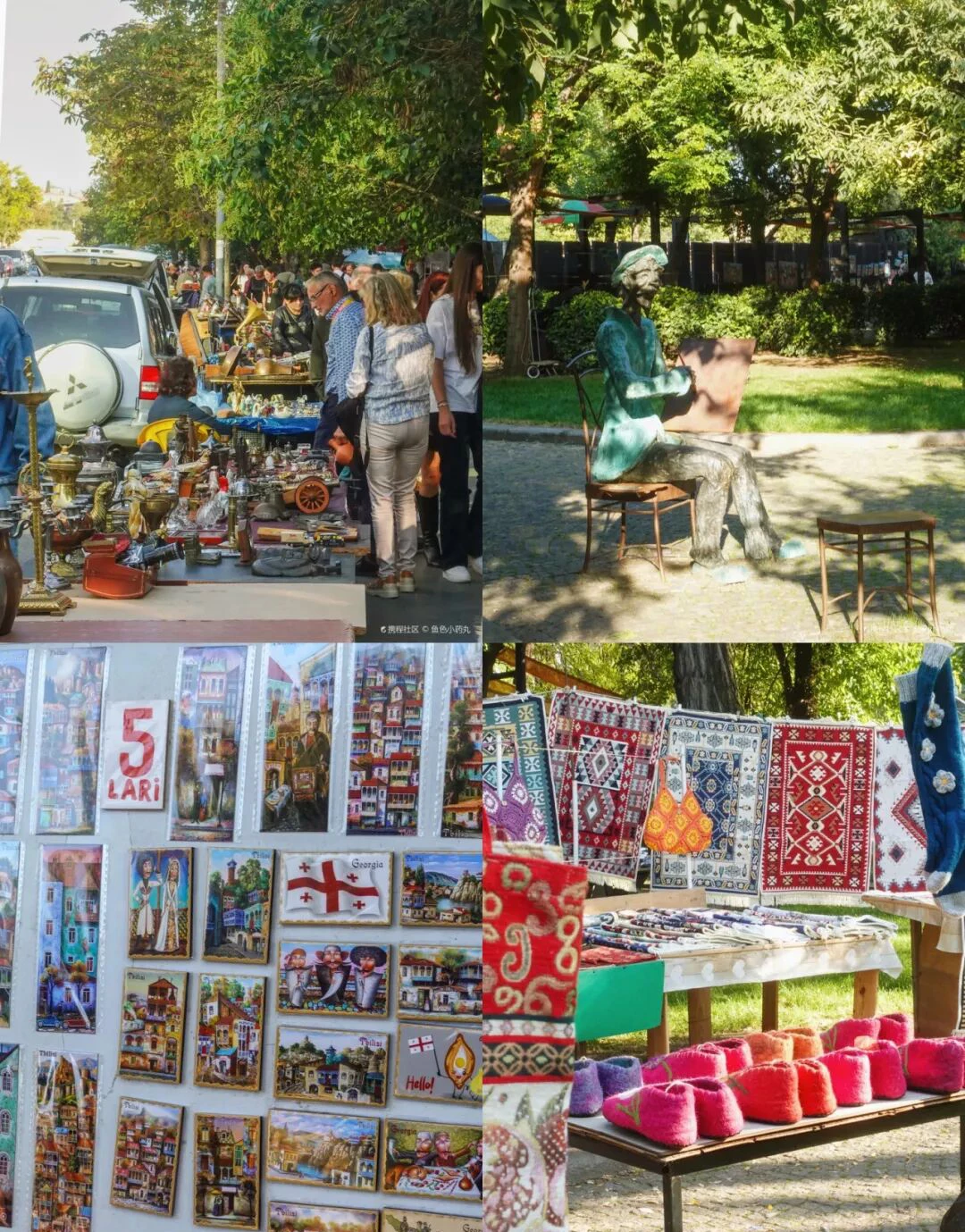
Shanghai–Tbilisi direct flight opens July 15
In April 2026, Georgian Economy and Sustainable Development Minister Kvirikashvili led a delegation to China and confirmed with China Eastern Airlines that the Shanghai–Tbilisi direct flight will officially launch on July 15, 2026. The minister said: “The Chinese market is of strategic importance to Georgia’s economic development. Direct flights will increase tourist flows, attract more high‑spending tourists, and strengthen people‑to‑people exchanges and economic ties.”
Strategic partnership continues to deepen
- November 2025:Georgian Prime Minister Kobakhidze attended the 8th China International Import Expo and made an official visit to China. Both sides reaffirmed their strategic partnership and discussed expanding cooperation in trade, infrastructure, tourism and investment. Georgia participated as a guest of honour, with over 40 enterprises showcasing cultural heritage, traditional wine‑making techniques, tourism potential, etc.
- April 2026:The two sides signed an updated free trade agreement and agreed to establish an inter‑governmental cooperation framework to support major investment projects and encourage Chinese companies to participate in Georgia’s strategic projects.
Chinese tourists: +44.4% in 2025, strong momentum continuing in 2026
According to the Georgian National Tourism Administration, Georgia received approximately 6.9 million international tourists in 2025, a year‑on‑year increase of 6.2%. Among them, Chinese tourists reached 127,800, a sharp rise of 44.4%, making China one of Georgia’s top ten source countries for the first time.
In the first quarter of 2026, Chinese tourist numbers continued to grow rapidly. With the double benefit of the soon‑to‑open direct flight and the visa‑free policy, the total number of Chinese tourists for the full year is expected to reach a new high.
Georgia Named Official Partner Country of ITB China 2026
On May 26‑28, 2026, ITB China will be held in Shanghai, where Georgia will be the official partner country. The Georgian National Tourism Administration will host a series of events including a themed opening dinner, wine and food tastings, and live cultural performances, fully showcasing Georgia’s unique charm to the Chinese and global markets.
A representative of the Georgian National Tourism Administration noted: “China is one of the world’s most dynamic and promising outbound tourism markets. Our goal is not only to raise awareness, but to build long‑term partnerships with China’s travel industry to develop high‑quality, customised tourism products.”
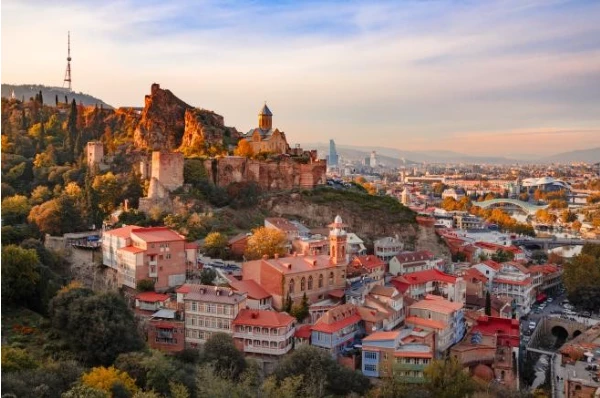
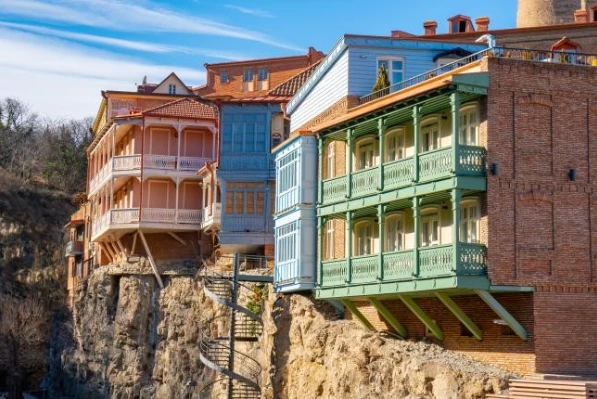
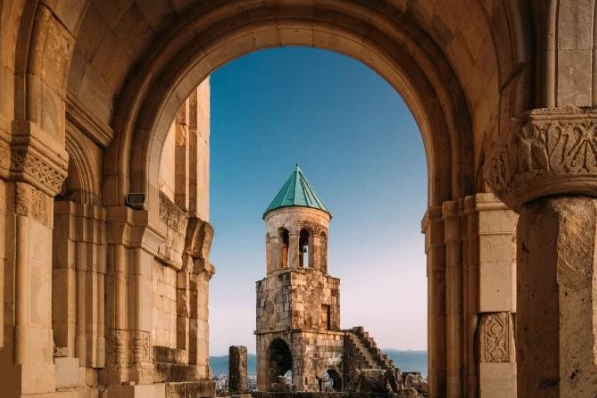

Seize the Opportunity: Smart Life Expo Georgia, September 26‑28
The “people flow” brought by tourism is generating tangible “commercial flow”. To help Chinese companies precisely connect with procurement demand in Georgia and surrounding markets, the Smart Life Expo Georgia 2026 will be held on:
Date: September 26‑28, 2026
Venue: Tbilisi, Georgia
Exhibit Categories:
- Building Materials & Construction Machinery Zone:building materials, hardware tools, engineering machinery, lighting, furniture, etc.
- Industrial & Machinery Equipment Zone:machine tools, packaging machinery and materials, printing machinery, electro-mechanical equipment, etc.
- Consumer Electronics & Home Appliances Zone:home appliances, consumer electronics, automatic control systems, etc.
- Textiles, Leather & Daily Consumer Goods Zone:home textiles, leather products, clothing and fabrics, accessories and trims, footwear, daily use articles, etc.
- Food & Equipment Zone:food and beverages, food machinery and technology, food processing machinery and technology, food packaging machinery and measuring equipment, etc.
- Auto Parts & Decoration Zone:vehicles and auto parts, automotive accessories and decorations, tools, etc.
When people talk about Saudi Arabia, all eyes are on the glossy mega projects: NEOM, the Expo, metro lines, and data centres.
Yet, beneath this global wave of construction, three massive, less competitive, and reliably paid hidden tracks are being quietly captured by savvy Chinese companies. They rarely make headlines, but they represent the most real and rigid demands of the Saudi market.
In this article, we will push open these three overlooked doors and take a closer look.
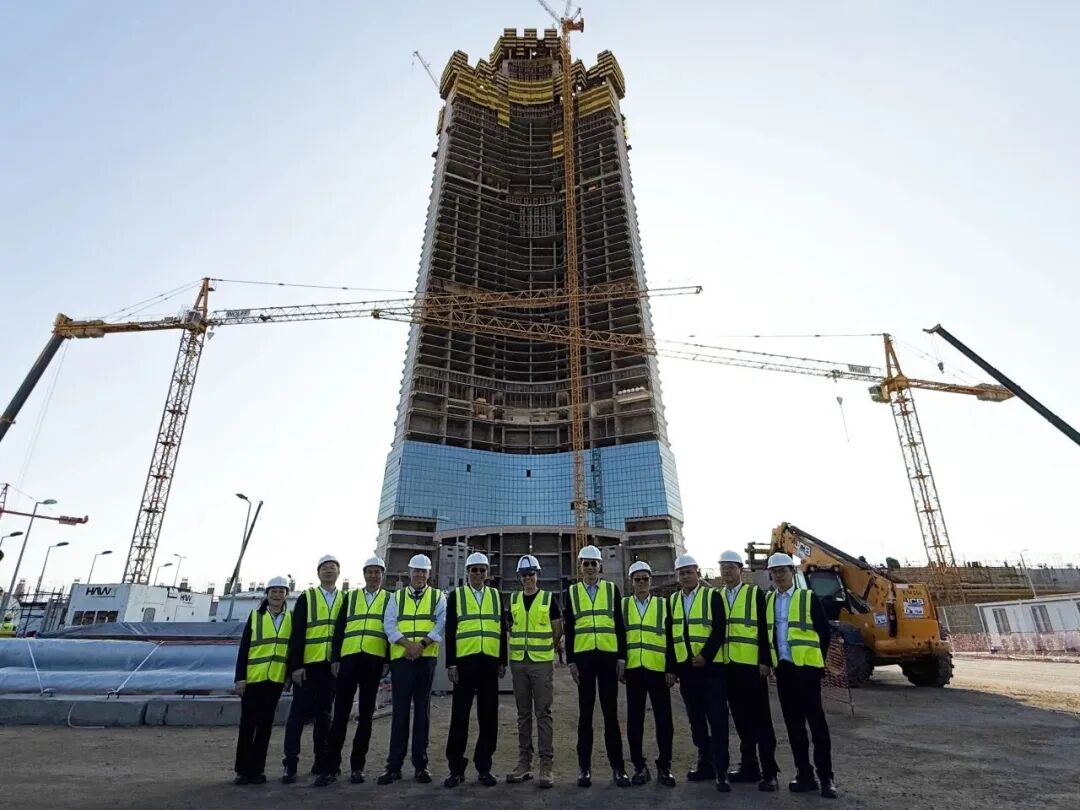
The “Crown” a Kilometre Above Ground – Jinggong Steel Building Group Wins the Core Section of Jeddah Tower
Recently, Jinggong Steel Structure’s subsidiary, Jinggong International, delivered good news: it has won the bid for the main steel structure above the 120th floor of Saudi Arabia’s Jeddah Tower. With this, Jinggong International has secured the entire supply and installation contract for all main steel structures of this future world’s tallest building.
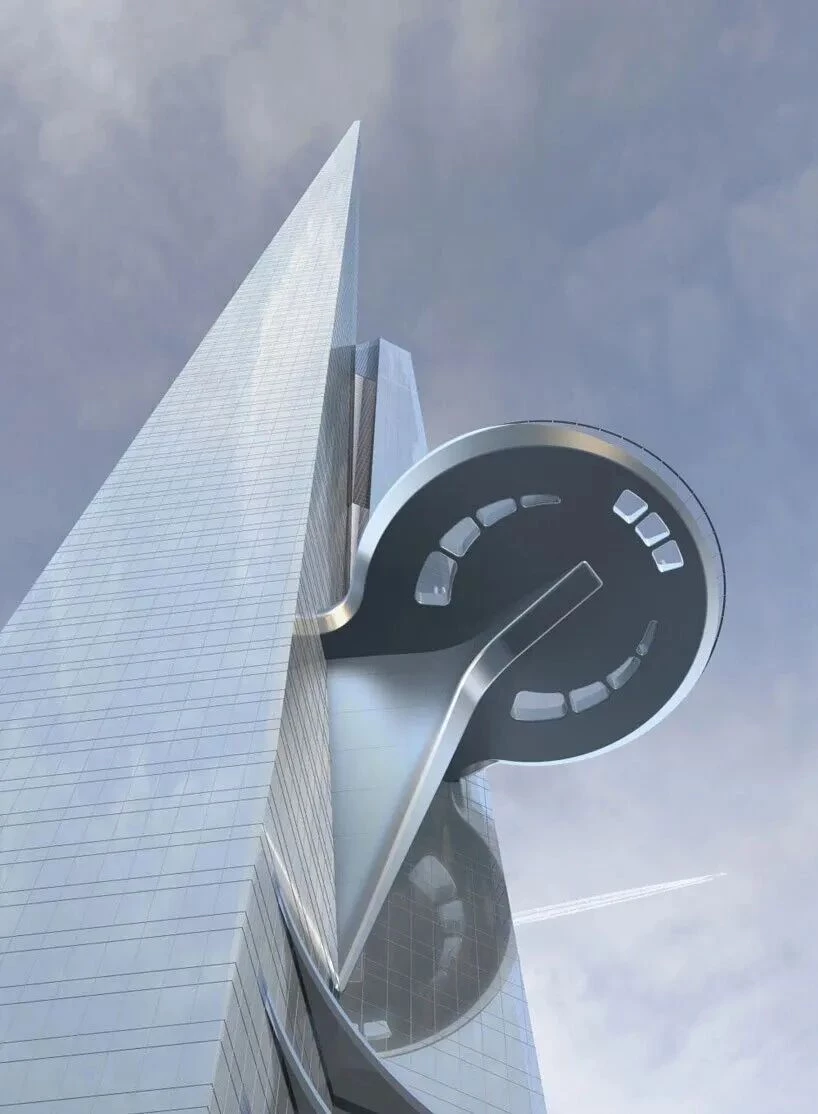
Jeddah Tower, with a design height of 1,008 metres, will surpass the Burj Khalifa to become the world’s first kilometre‑scale landmark. Its restart and progress are a powerful symbol of Saudi Vision 2030.
Why is this section “unusual”?
Above the 120th floor is a true testing ground for technical excellence. Near the top, the structural tapering, equipment floors, maintenance systems, and façade geometry are extremely complex, demanding world‑class capabilities in detailed design, manufacturing precision, and on‑site installation.
Jinggong International’s return to this core section after years of project suspension proves that its track record, technical strength, and organizational capacity have earned high recognition from the client. For any engineering firm, being part of the world’s tallest building is a top‑tier “passport” to the international high‑end construction market. For any future ultra‑high‑rise, stadium, or airport project in the Middle East, Jeddah Tower will be a powerful reference.
A $15 Billion Healthcare Blue Ocean – Barely Touched by Chinese Building Material Companies
Just two weeks ago, the globally respected firm Research & Markets released a seriously under‑reported report: the Saudi hospital construction market is currently worth $15 billion.
This is a construction market larger than Expo 2030, with more stable payments than residential projects, and higher technical barriers than renewable energy. And right now, in this blue ocean, Chinese building material companies are almost invisible.
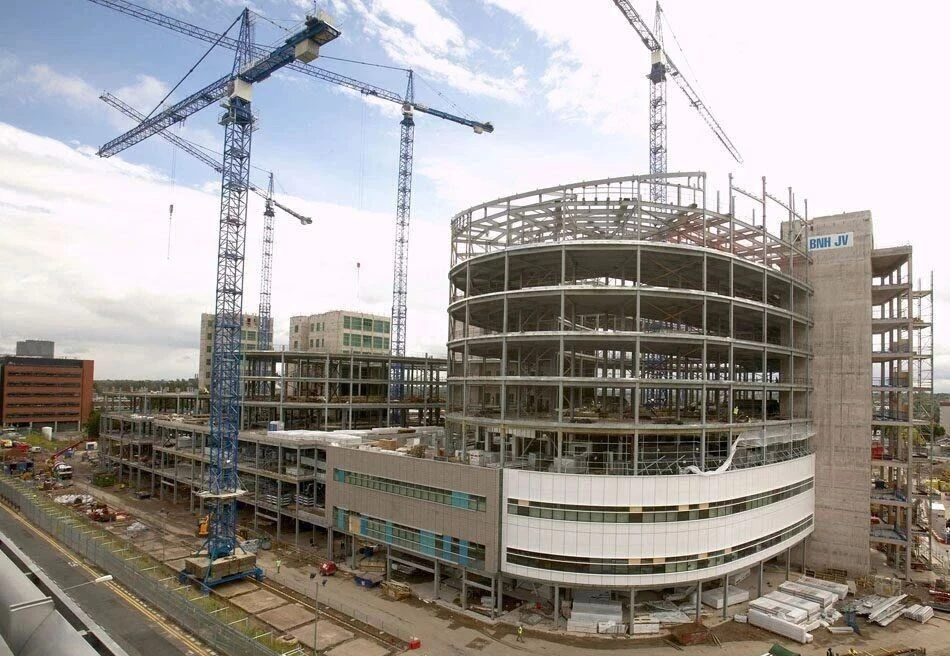
Hospitals demand the most stringent building materials.
- Flooring:antibacterial, anti‑static, seamless, chemical‑resistant …
- Walls:scrubbable antibacterial paint, air-tightness, lead shielding for radiation protection …
- Systems:medical gas systems (copper pipes), clean room HVAC (HEPA filters), pneumatic tube systems …
These are not ordinary materials; they are high‑barrier specialty products. Once you are on the supplier list, you create a moat that is hard to cross.
What is more critical: payment security. The Saudi government has already allocated $13.3 billion in special funds for healthcare infrastructure. PPP contracts run 20‑30 years, with the payer being the highly creditworthy Ministry of Health or the National Health Service. This is not a one‑off sale but a 20‑year stream of recurring consumables.
Opportunity checklist:
- Flooring:PVC sheet, rubber flooring, conductive flooring (total demand exceeds hundreds of millions of dollars)
- Wall systems:clean room colour‑coated steel panels, antibacterial paint, lead sheets (Chinese products are just one‑third the price of Western equivalents)
- Medical gas copper pipes:EN13348 compliant – Hailiang, Jinlong Copper, etc. have production capability
- Clean room HVAC consumables:HEPA filters – huge annual replacement demand
$25 Billion in Education Infrastructure – Prefabricated Schools, the Answer Already Written
Saudi Arabia plans by 2030 to build: 1,200 new private schools, 1,900 kindergartens, and add 800,000‑900,000 university places. The materials procurement alone exceeds $25 billion.
But conventional construction simply cannot meet this pace – building one school in 18‑30 months would leave most unfinished by 2030.
Saudi Arabia’s official solution: prefabricated construction.
And the world’s largest producer of prefabricated buildings is China.
Prefab school buildings are no longer “temporary shacks”. Modern modular schools use light‑gauge steel frames, with a design life of over 50 years, meeting Saudi seismic and thermal insulation standards. They can look identical to traditional buildings, while cutting construction time by 60‑70% – delivering a school in 6‑8 months.
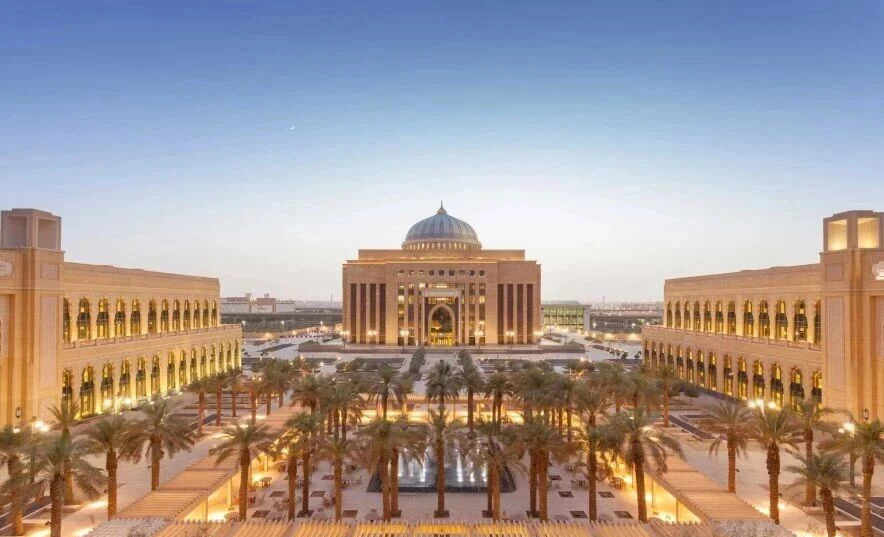
Breaking down a school’s material list:
- Light steel keels:600,000 tonnes total demand – about $480 million
- Sandwich panel enclosure system:4 million square metres – about $500 million
- Smart classroom infrastructure:$330 million (interactive whiteboards, integrated cabling)
- School‑specific furniture:$250 million
- Sports facilities, water‑saving systems, etc.:hundreds of millions more
China is the world’s largest producer for nearly all these categories, with a complete industrial chain and strong price competitiveness.
The smart way in now: become a turnkey modular school solution provider, or establish approved material agreements with international school brands (e.g., Reigate Grammar School, King’s College School). Once you are on their Approved Materials List (AML), you bypass all local price wars.
PowerChina Sets a New Record for Middle East Gas Turbines
Beyond the three tracks above, one more piece of news from the power sector deserves attention:
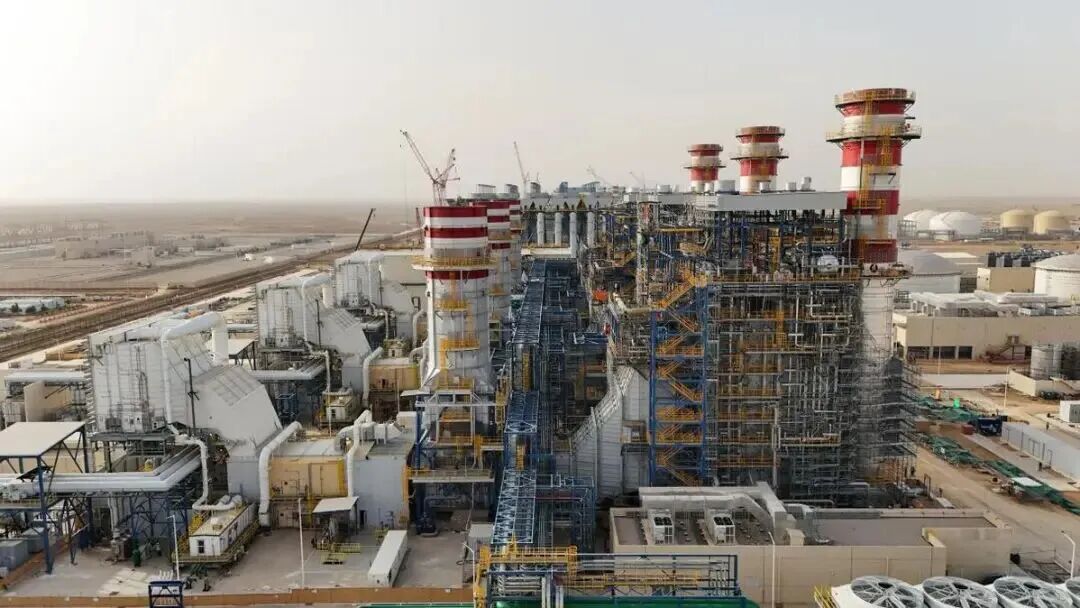
On May 8 local time, SEPCOIII Electric Power Construction Co., Ltd. successfully connected the GT11 units of the Saudi Qassim and Taiba EPC projects to the grid, achieving the first grid connection in the Middle East for the world‑leading 7HA.03 gas turbine.
Each project has an installed capacity of 1,800 MW, making them core projects of Saudi Arabia’s energy transition strategy. From contract signing in the first quarter of 2024 to grid connection, they have demonstrated exceptional project coordination and execution capabilities. This is not only a milestone for SEPCOIII, but also a vivid illustration of deepening China‑Saudi energy cooperation.
The Window Is Open – Opportunity Belongs to the Movers
Over the past six months, we have reviewed seven mainstream construction tracks in Saudi Arabia: mega projects, housing, urban rail, renewables, data centres, healthcare, and education.
Among these, healthcare and education are the two blue oceans with the lowest Chinese participation but the strongest rigid demand.
- Hospital building materials have a powerful “approved brand” effect – once you are on the AML, you have a moat that is hard to cross for years.
- Prefabricated solutions for education infrastructure are exactly where China’s manufacturing excels globally.
Right now, Saudi Arabia’s regulatory, financial, and project windows have just opened at a historic moment. And the rarity of this moment is that there are not many competitors – first‑mover advantage can translate into a market leadership position for years.
The key step forward is right in front of you.
