
From a world-class urban park to the "first tier" of energy projects, China-Saudi cooperation has entered a new phase of "industrial integration."
Over the past week, Saudi Arabia has released several major signals: the world’s largest urban park, King Salman Park, completed the installation of 17 km of retaining walls, using 122,500 tonnes of local stone to form a "stone-built backbone"; engineering companies under Sinopec and CNPC signed long‑term agreements with Saudi Aramco on the same day, securing a place in the first tier of brownfield project contractors; meanwhile, in the first two months of 2026, China-Saudi trade grew by 5.5% year‑on‑year, with Chinese exports to Saudi Arabia rising by nearly 19% against the trend.
As the "Middle East situation" gradually stabilizes, the flow of Chinese goods and capital into Saudi Arabia is accelerating, driving China-Saudi cooperation toward broader and deeper industrial synergy.
01 King Salman Park: 17‑km "Stone‑Built Backbone" Completed
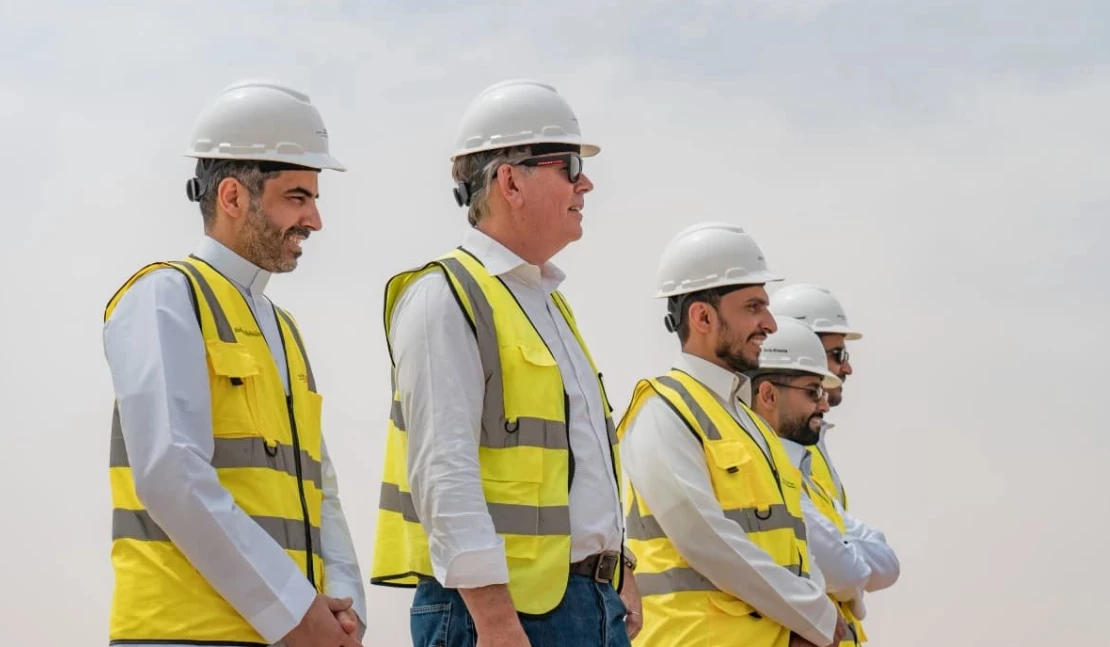
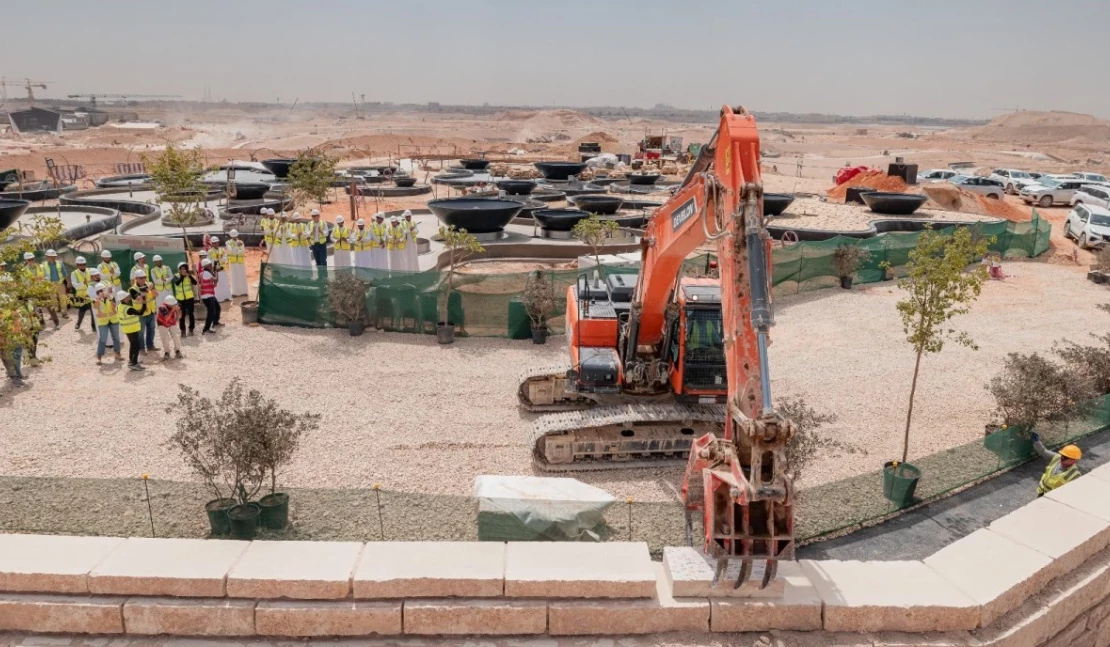
Riyadh’s King Salman Park, one of the world’s largest urban parks under construction, recently announced the completion of all 17 km of retaining wall installation. These walls used 122,500 tonnes of local natural stone, forming the undulating terrain framework of the park.
According to the project statement, the retaining walls not only stabilise the soil but also shape the park’s valleys and terraces – a critical infrastructure element for the entire landscape.
Covering a total area of 17.2 km², the park straddles central Riyadh and connects directly to the city’s major road network, railways, and bus hubs. As one of the flagship projects of Saudi Vision 2030, it aims to propel Riyadh into the ranks of the world’s most liveable cities.
The park integrates ecology, culture, sports, arts, and recreation. Key facilities include the Royal Arts Complex (including the National Theatre), multiple sports venues, open green spaces and leisure areas, and cultural and tourism landmarks.
Launched in 2019 by the Custodian of the Two Holy Mosques (the late King Salman bin Abdulaziz), the project is progressing as planned. Upon completion, it will become Riyadh’s "green lung" and rank among the largest city parks in the world.
The park’s opening will help Riyadh rise in global city rankings, offering residents and visitors a vibrant experience of life, culture, and nature.
02 Chinese Companies Make Further Inroads: JD Industrial, Hailiang, MCC
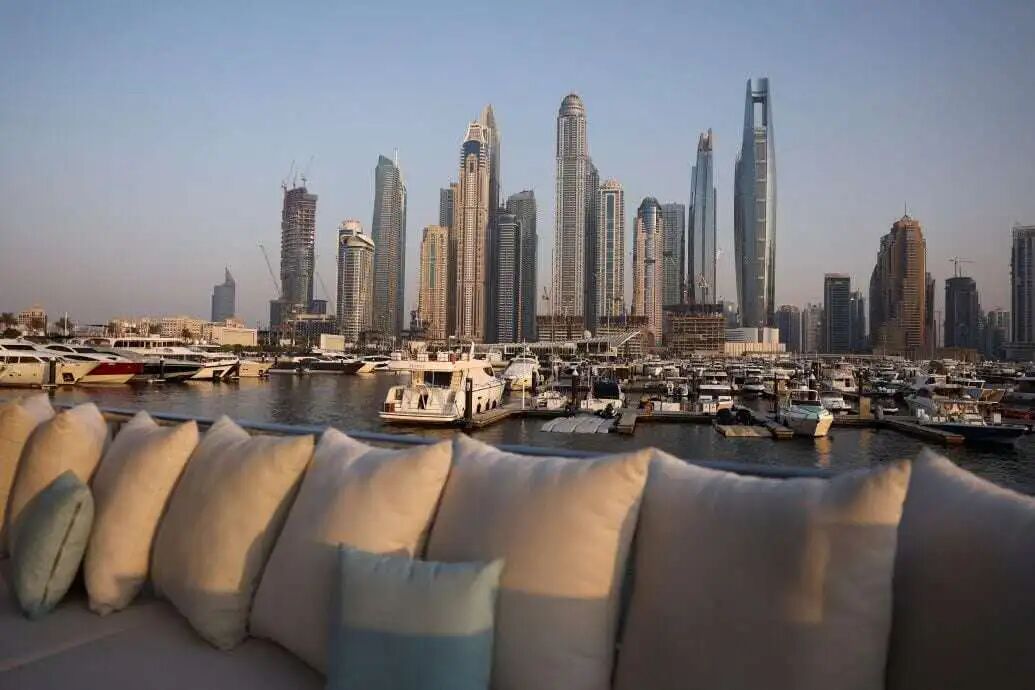
Chinese companies have continued to expand in the Saudi market this year, from digital supply chains to high‑end manufacturing and steel structure engineering.
JD Industrial: Deepening digital supply chain presence
JD Industrial Middle East recently signed an MOU with CSCEC Saudi Branch, focusing on building materials and industrial supplies for the Saudi construction engineering market. The two parties will collaborate in areas such as building materials, industrial product sourcing, cross‑border logistics coordination, and digital fulfilment management.
In March this year, JD Group also established a strategic partnership with Saudi Electricity Company to automate and upgrade dozens of SEC warehouses. Meanwhile, JD Property signed a strategic MOU with MODON (Saudi Authority for Industrial Cities and Technology Zones), with its first logistics infrastructure project landing in Jeddah – a SAR 100 million investment for a 50,000 m² modern warehousing facility.
Hailiang: US$566 million copper smart manufacturing plant
Hailiang Shares (002203.SZ) signed an agreement with Saudi’s Rawas Company on 13 April to jointly build a high‑end copper product smart manufacturing plant in Saudi Arabia, with a total investment of US$566 million. Hailiang holds a 51% stake, Rawas 49%. The plant will produce 150,000 tonnes/year of copper products, including copper tubes, copper bars, recycled copper refining, and copper foil.
This is a major practice of capacity cooperation deeply aligned with Saudi Vision 2030, marking a shift for Chinese manufacturers from "exporting products" to "localising production."
MCC: Consecutive wins of billion‑level projects
MCC continues to gain traction in Saudi engineering contracting:
- EV supplier park:Won the bid for supporting works at the first Saudi EV brand CEER’s manufacturing plant – adopting US and Saudi standards, with high technical demands.
- Qiddiya Stadium:Won the steel structure contract for the Prince Mohammed bin Salman Stadium (PMBS) in Qiddiya – total floor area approx. 260,000 m², seating 45,000, to host a quarter‑final of the 2034 FIFA World Cup.
MCC’s successive wins demonstrate the ability of Chinese companies to expand from traditional infrastructure to high‑end industrial and sports facilities.
03 China‑Saudi Trade Grows Against the Trend: Exports Up Nearly 19% in First Two Months
China’s Consul General in Jeddah, Mr. Yang Yi, revealed in a recent interview with Saudi media that in the first two months of 2026, the total trade volume between China and Saudi Arabia reached 17.7 billion USD, representing a year-on-year increase of 5.5%. China’s exports to Saudi Arabia stood at 9.8 billion USD, with a year-on-year growth of nearly 19%.
Against the backdrop of easing risks in the Strait of Hormuz and gradual recovery in shipping markets, these figures remain impressive. Over the past few months, the key word for the Middle East market has been "transformation" – yet China’s exports to Saudi Arabia have not slowed but continued to grow.
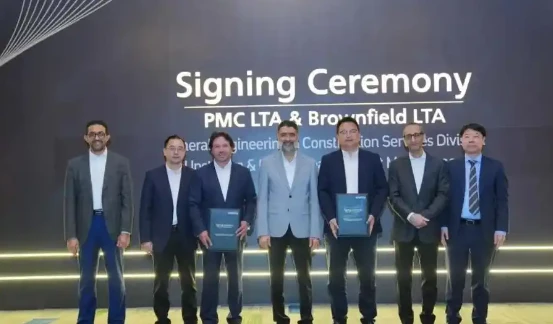
This reflects a deeper shift in China‑Gulf economic relations. Chinese exports to Saudi Arabia are now concentrated in electromechanical products, machinery, automobiles, steel, and furniture. China is no longer sending only low‑value‑added goods but covering manufacturing, industrial equipment, and infrastructure systems.
Moreover, Chinese investment in Saudi Arabia is rising rapidly. By the end of 2024, China’s direct investment stock in Saudi Arabia reached SAR 31.1 billion (approx. US$8.2 billion), up 164% year‑on‑year. Manufacturing is the largest sector, followed by finance, insurance, construction, mining, technology, trade, infrastructure, and healthcare.
China‑Saudi relations are moving from trade cooperation to industrial synergy.
04 Sinopec and CNPC Sign LTAs with Saudi Aramco on the Same Day, Enter First Tier
Recently, Sinopec’s Sinopec Nanjing Engineering Company (SNEI) and CNPC’s China Petroleum Engineering & Construction Corporation (CPECC) each signed a Long‑Term Agreement (LTA) with Saudi Aramco.
An LTA is a medium‑to‑long‑term framework cooperation agreement between Saudi Aramco and contractors/suppliers – a key procurement model for ensuring supply chain stability and improving project execution efficiency.
CPECC: Ranked in first‑tier brownfield contractors
With its full‑chain EPC service capability and extensive overseas brownfield project experience, CPECC was selected from over 20 internationally renowned contractors. The LTA contractors were divided into three tiers, with CPECC placed in the first tier, becoming a key member of Saudi Aramco’s brownfield project cooperation camp.
The LTA for brownfield projects covers core onshore oil and gas producing areas including the Northern Oil Region, Southern Oil & Gas Region, and Shaybah Gas Field – contract period of six years.
Sinopec Nanjing Engineering: 16 years, 32 projects build strong reputation
SNEI Middle East signed an LTA with Saudi Aramco for old plant revamp and oil & gas upgrade projects, becoming the first entity within the Sinopec Group to be shortlisted among Saudi Aramco’s brownfield LTA contractors.
This achievement builds on long‑term commitment and accumulated trust. When SNEI first entered Saudi Arabia in 2010, it was only an ordinary construction contractor. Over 16 years, it has executed 32 projects with a total contract value exceeding US$2.5 billion. In 2023, SNEI took over a brownfield project that had been abandoned by a previous contractor due to quality, safety, and schedule issues – and successfully delivered it.
As Chinese petrochemical engineering companies deepen their presence in the Middle East, more Chinese firms are building strong reputations in the high‑end international engineering market.
05 Saudi Mining Boom: Licenses Rise to 2,925 – 220% Growth
Saudi Arabia is positioning mining as the "third national brand" after oil and gas.
At end-2025, Saudi Arabia had 2,925 valid mining licences. Newly licensed projects drew total investment of 44 billion riyals (USD 11.7 billion), and mineral exports totalled 56 billion riyals (USD 14.92 billion). New mining permits jumped from 19 in 2024 to 61 in 2025, a 220% year-on-year increase.
Mining has been designated as the third pillar of the national economy, after oil & gas and petrochemicals. Previously, discussions about Saudi resources focused almost exclusively on oil and gas; now, gold, copper, zinc, phosphate, rare earths, and industrial minerals are coming into the global spotlight.
Saudi Arabia’s western Arabian Shield belongs to the Precambrian geological formation, which is rich in polymetallic belts of gold, copper, zinc, lead, and silver. The value of the country’s undeveloped mineral resources is estimated at about US$2.5 trillion. While that figure is not directly equivalent to recoverable reserves or future revenue, it is enough to reshape perceptions – Saudi Arabia is not only an oil & gas nation but also an aspiring critical minerals player.
The Big Picture: Stability Fuels Broader and Deeper China‑Saudi Cooperation
From the "stone‑built backbone" of King Salman Park, to billion‑level projects by JD, Hailiang, and MCC; from Sinopec and CNPC becoming core Aramco contractors, to the explosive growth in mining licences –
Saudi Vision 2030 is moving from blueprint to reality, and Chinese enterprises have become the most critical external force in this transformation.
As the overall situation in the Middle East stabilises and the external environment for trade and cooperation continues to improve, China‑Saudi industrial synergy, capital coupling, and technological exchange are not slowing down – they are entering a more sustainable and resilient new phase.
For Chinese companies, the Middle East is no longer merely an export market; it is a strategic node in global expansion. A growing share of future global growth may well come from this region.
