
Jeddah, the "Red Sea economic gateway" on Saudi Arabia's western coast, sits at the maritime crossroads of Asia, Africa, and Europe and is the largest hub port in the Red Sea. Located just 89 km from the holy city of Makkah, it handles millions of annual pilgrims transiting via the Haramain High-Speed Railway. As Saudi Arabia's second‑largest city, with a population exceeding five million (one‑third expatriates), Jeddah is the Kingdom's most open and dynamic commercial center. In 2025, Jeddah's GDP reached approximately USD 254.5 billion, with a per capita income of USD 52,400 – an economic scale larger than that of many mid‑sized countries.
Jeddah's strategic value is rooted in two geographic variables:
Alternative geography – The Jeddah Islamic Port handles about 75% of Saudi Arabia's maritime trade. Growing risks around the Strait of Hormuz are pushing the Kingdom to shift trade flows toward the Red Sea coast, positioning Jeddah as a geoeconomic "buffer valve."
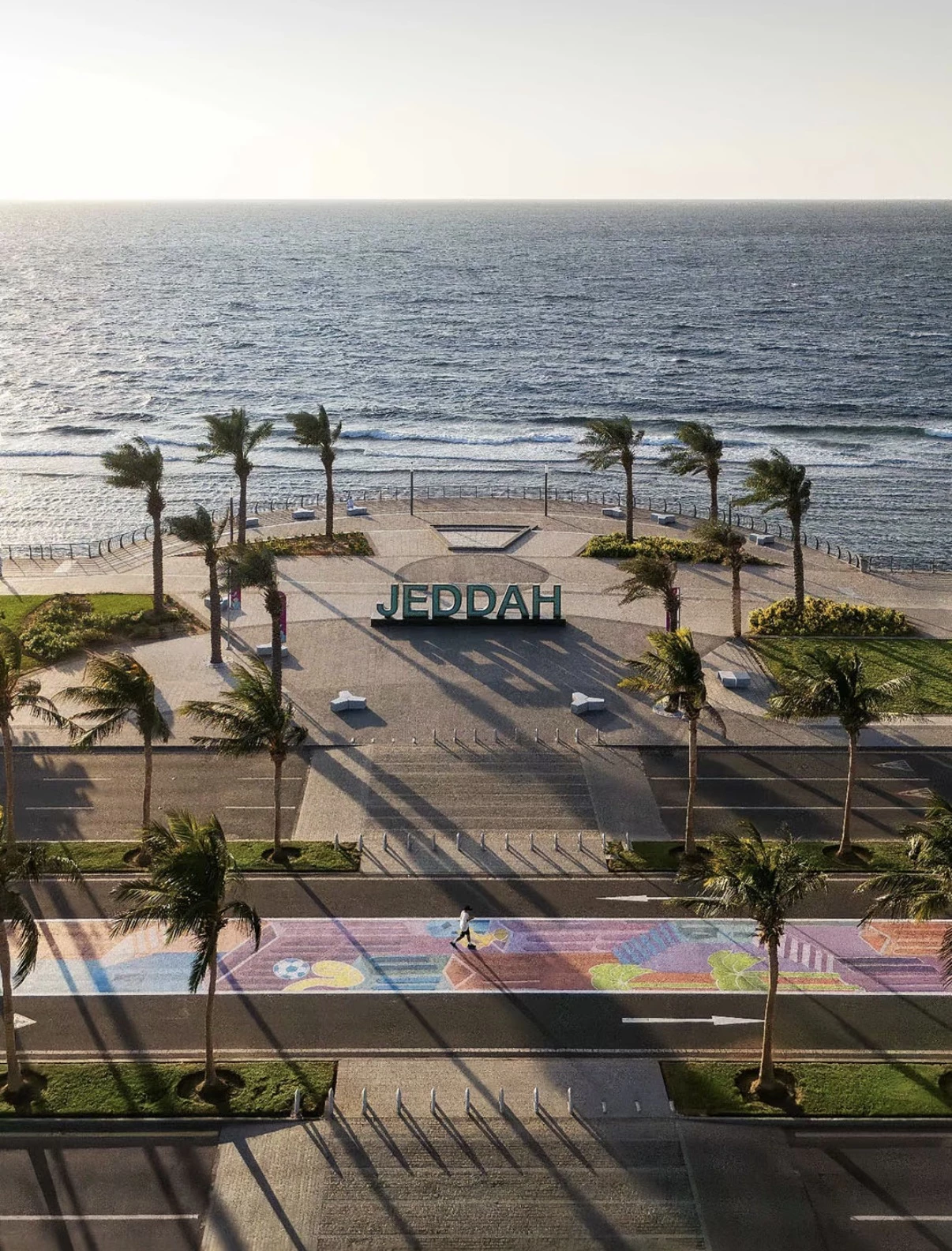
Connectivity geography – With direct flights to multiple coastal cities in China and an integrated land‑sea transport network connecting to Saudi domestic and Gulf hinterlands, Jeddah is a true logistics hub.
I. Three Engines of Infrastructure Development: Port, Airport, and Urban Construction in Unison
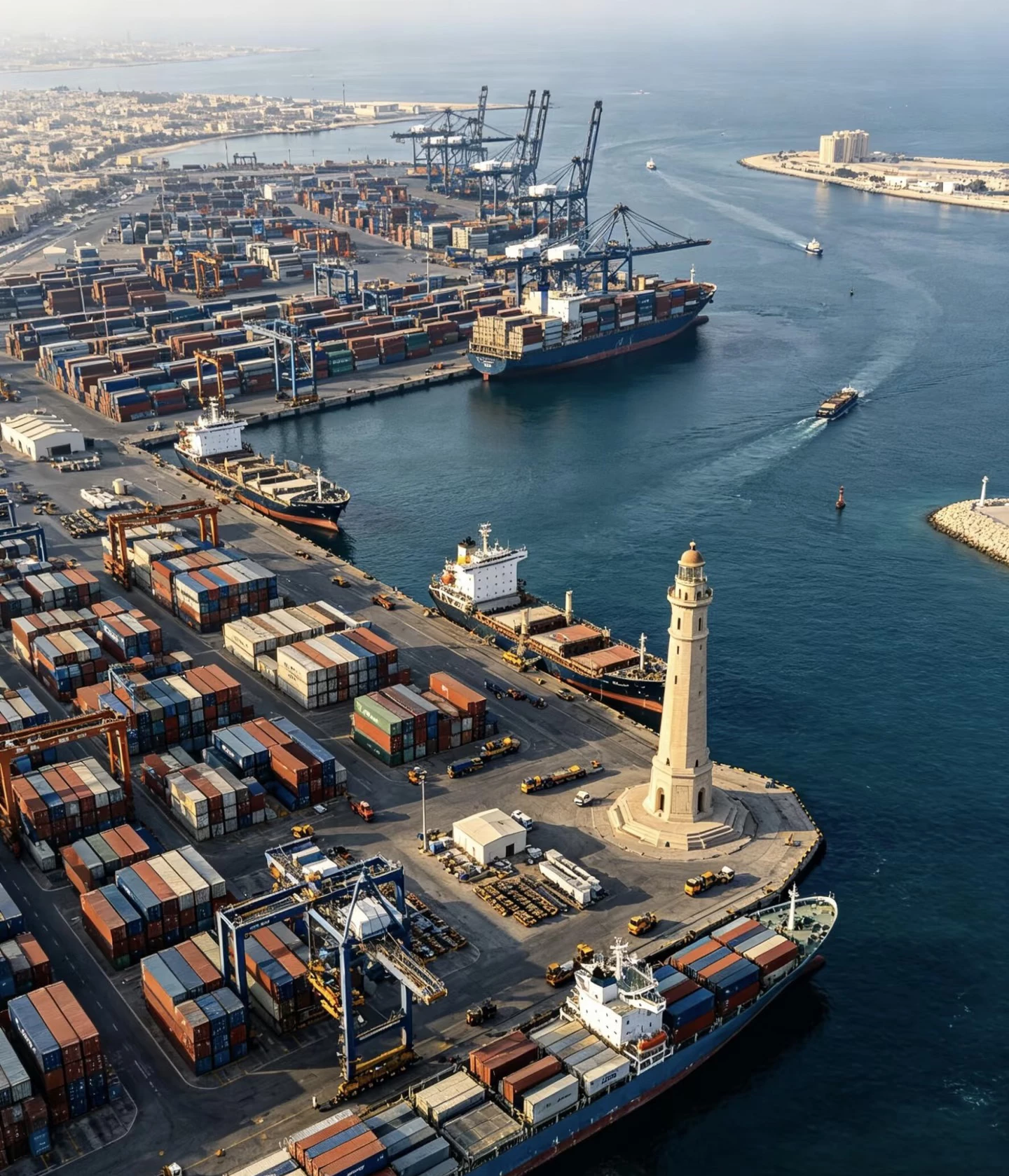
Port: $800 million to double throughput capacity. DP World has completed the expansion of the South Container Terminal, raising annual handling capacity from 1.8 million TEUs to 4 million TEUs, with room to reach 5 million TEUs. New ship‑to‑shore cranes were supplied by ZPMC. In 2025, DP World's Jeddah port handled over 1.3 million TEUs. Maersk and Hapag‑Lloyd have launched several new direct shipping routes from China.
Airport: On track for 30 million passengers. The new terminal at King Abdulaziz International Airport has mobilized 26,000 workers. Phase 1 capacity is 30 million passengers per year, with long‑term capacity of 114 million – serving both Hajj/Umrah traffic and the strategic goal of 150 million tourists.
Urban development: Four multi‑billion‑dollar mega‑projects overlapping.
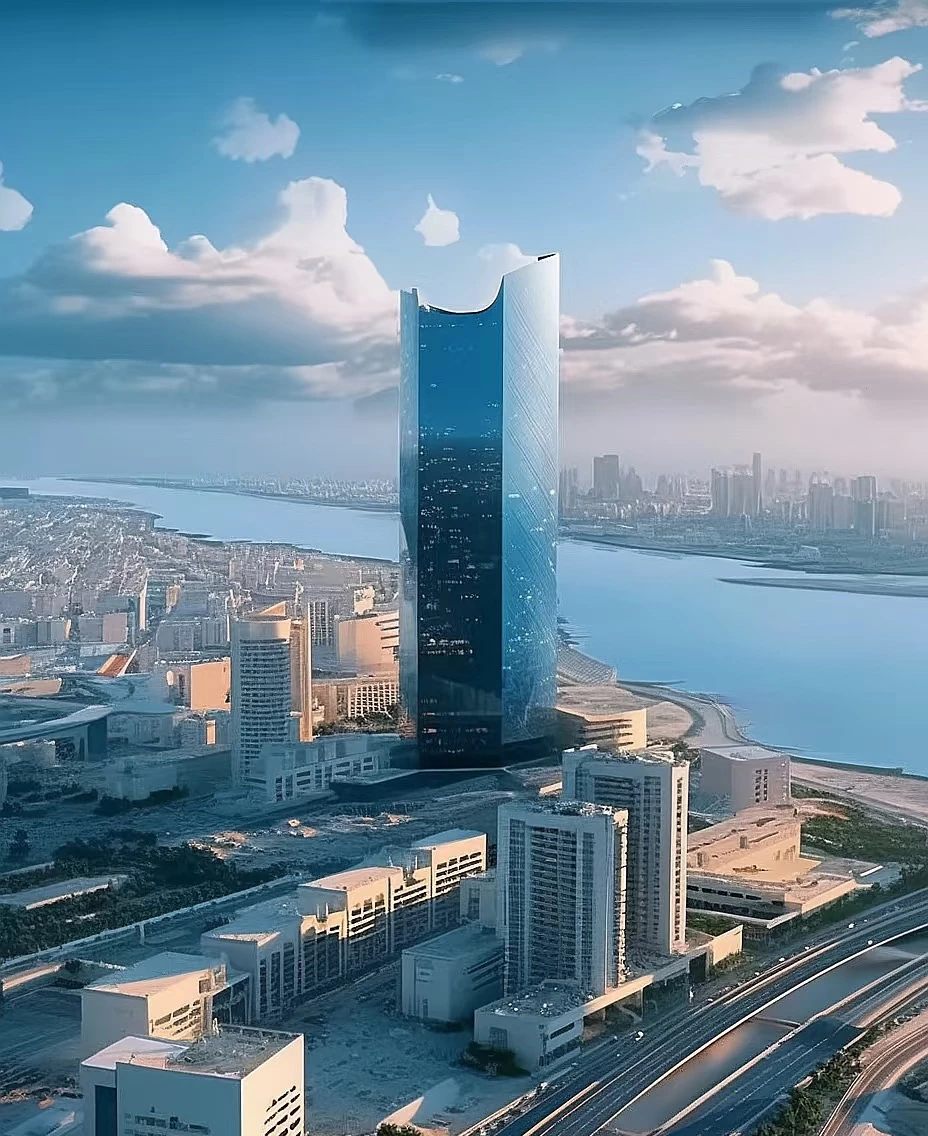
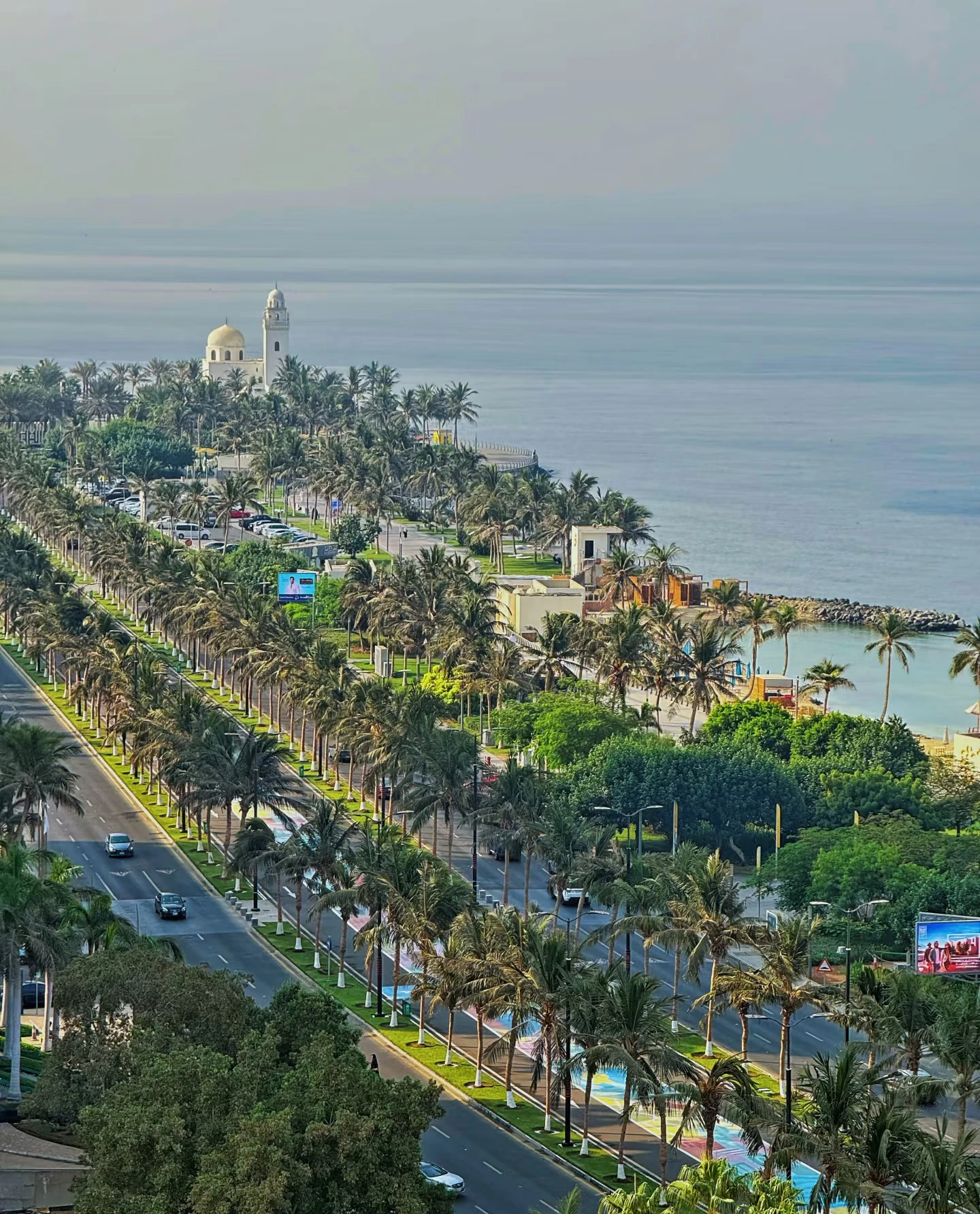
China Harbour Engineering Company (CHEC) is building a 5.7 million m² waterfront new district.
Jinggong Steel Structure is constructing the 1,008‑meter Jeddah Tower (now past the 100th floor).
Jinggong Steel Structure and China Railway Construction Corporation (CRCC) are jointly building the 46,000‑seat JCDC World Cup stadium.
The Jeddah Downtown project exceeds USD 20 billion in investment.
Together, these publicly announced projects form a nearly USD 100 billion infrastructure matrix, generating exponentially growing demand for steel structures, construction materials, heavy machinery, and smart equipment.
II. Chinese Companies Advancing: From Subcontractors to Core Contractors
Jinggong Steel Structure is a representative example. It secured the main steel structure contract for floors 120 and above of Jeddah Tower and signed a RMB 550 million contract for the JCDC Stadium. In 2025, its new overseas contracts reached RMB 7.2 billion, up 140% year‑on‑year. Sany Heavy Industry's ultra‑high‑pressure concrete pumps and other equipment are deployed at the Jeddah Tower site. CHEC is fully applying BIM and VR/AR smart construction systems. DP World's logistics park intelligent systems heavily rely on Chinese technology. Chinese companies have moved from fragmented bidding to systematic integration, covering the entire infrastructure chain in Jeddah.
III. Three‑Tier Opportunities for Global Expansion
Tier 1: Mega‑project support.
Continuous demand exists for steel structure components, bolts, curtain wall fittings, welding consumables, electrical systems, HVAC, and fire‑fighting equipment. The "rail express + ocean express" service from Yiwu to Jeddah is already operational – 18 days direct, with shipping costs reduced by over 15%, opening the shortest route for SMEs.
Tier 2: Port and logistics equipment.
With 4 million TEU throughput capacity, 415,000 m² of warehousing space, more frequent services by five major shipping lines, and a USD 2.5 billion logistics park plan – the market needs automated container yards, cold‑chain storage, smart sorting systems, and new‑energy transport vehicles. Chinese equipment has clear advantages in cost‑effectiveness and technical adaptability.
Tier 3: After‑sales service and consumables for existing equipment.
The installed base of construction machinery and port equipment is growing rapidly. In May 2026, CRCC openly tendered international express shipping for after‑sales spare parts in the Jeddah region – a clear sign that the aftermarket is emerging as a "second growth curve."
IV. Our Jeddah Presence: Self‑Owned Venue Shortens the Route to Market
We own a self‑built exhibition venue in Jeddah, offering one‑stop services from booth planning, exhibit shipping, local compliance, to business matchmaking. It is the shortest physical pathway for Chinese companies to enter Saudi Arabia's western market.
While the world fixates on NEOM, the real wave of orders is surging toward Jeddah. Names like Jinggong Steel Structure, China Harbour Engineering, and Sany Heavy Industry are already etched into the fabric of this city. More SMEs will follow – with every steel member installed, every smart device commissioned – embedding themselves in this billion‑dollar infrastructure wave. The story of Jeddah is, at its core, a microcosm of Saudi Arabia's economic transformation under Vision 2030. The opportunity for Chinese enterprises goes far beyond winning contracts – it is about becoming part of a global reshaping of industrial geography.
